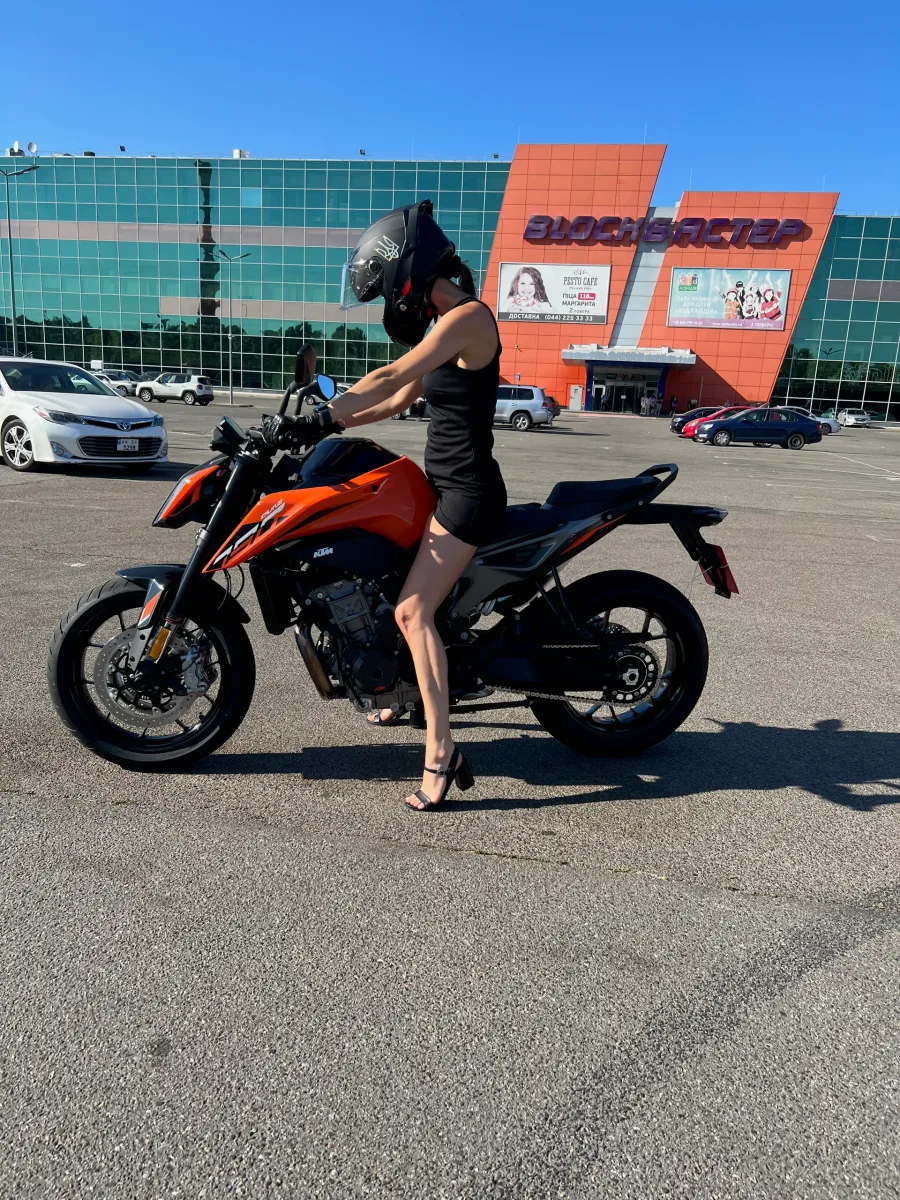
100% Responsibility
«Whose fault was it?»
Is it the driver's fault? Or maybe the motorcyclist's?
This is one of the most common questions you'll find on motorcycle forums.
And let me be clear: if you're asking this question, you're already in a dangerous mindset. Let me explain why.
Why Fault Doesn't Matter When You're Injured
Let's set aside the legal side of things for a moment. Be honest—will it really matter who was at fault if you're lying in a hospital bed or missing a leg?
Sure, figuring out fault might determine who pays the bills, but focusing on «fault» means you're expecting other drivers to follow the rules. And that's the problem.
The Trap of Expectations
When a rider starts thinking in terms of «who's at fault,» it often reveals a dangerous assumption:
- That other road users will act predictably.
- That they'll follow traffic rules.
This mindset shows overly optimistic expectations about human behavior. And here's the brutal truth: the road will punish that optimism.
People who think this way often operate under the «should» mentality:
- «He should yield to me because I'm on the main road.»
- «I have the green light—everyone should stop.»
And yeah, in 99% of cases, they'll be right. People will follow the rules.
But then, there's that 1%.
The driver who's distracted, drunk, or sending a text message.
And in that 1%? You'll still be «right.» You'll also be in the hospital.
The Principle of Personal Responsibility
Here's the principle I ride by:
I am 100% responsible for everything that happens to me on the road.
That means I don't allow anyone the chance to hit me.
I assume the worst possible scenarios and prepare for them.
I anticipate your mistakes before you make them.
You can try to disguise your intentions, but I'll see through them. Why? Because it's my responsibility to see them.
Nobody Owes You Anything
On the road, nobody owes me anything. Not a driver. Not a pedestrian. Nobody.
That's my mindset. I minimize my expectations of others and actively think through worst-case scenarios.
Does it take a lot of energy? Sure. But I treat it like a game. And when I correctly anticipate a rare, unexpected situation—one that could have ended badly—I feel like I've just hit the jackpot.
Because that's exactly what I've won: my health and my life.
The Takeaway
Don't focus on fault. Focus on staying alive.
Your safety depends not on the rules others should follow, but on your ability to prepare for the 1% who won't.
Think ahead, stay sharp, and treat every ride like the ultimate game of anticipation.
Liked it? Share with fellow riders
Nebachiv Book and App — in progress
Get early accessRead more
Vision. «See Far Ahead» principle
Improve your motorcycle safety with the «See Far Ahead» principle. Learn how to position yourself for better visibility, anticipate hazards, and confidently navigate the road with fewer risks.
Abruptly
Sudden motorcycle accidents aren’t random—they’re predictable. Learn the key strategies to anticipate risks, avoid surprises, and ride safer with the ‘Seeing Far’ principle.

Position
Why do novice motorcyclists stay in the middle of the lane, and why is it dangerous? Discover how proper lane positioning improves visibility, creates escape routes, and defends your safety on the road.
Reversed Timeline of Incident
Accidents start long before impact. Break down the timeline of situations and learn to spot dangers in the early stages.
Wavelike Nature of Threats
Threats build up like waves. Learn to identify dangerous areas, adjust speed, and minimize risks effectively.
Visibility Blocker concept
Discover how everyday obstacles—trucks, tinted cars, or even your own visor—turn safe rides into sudden disasters. Learn the strategies to see further, react faster, and stay ahead of hidden dangers. Don’t let the road surprise you. Click to read more and ride smarter.