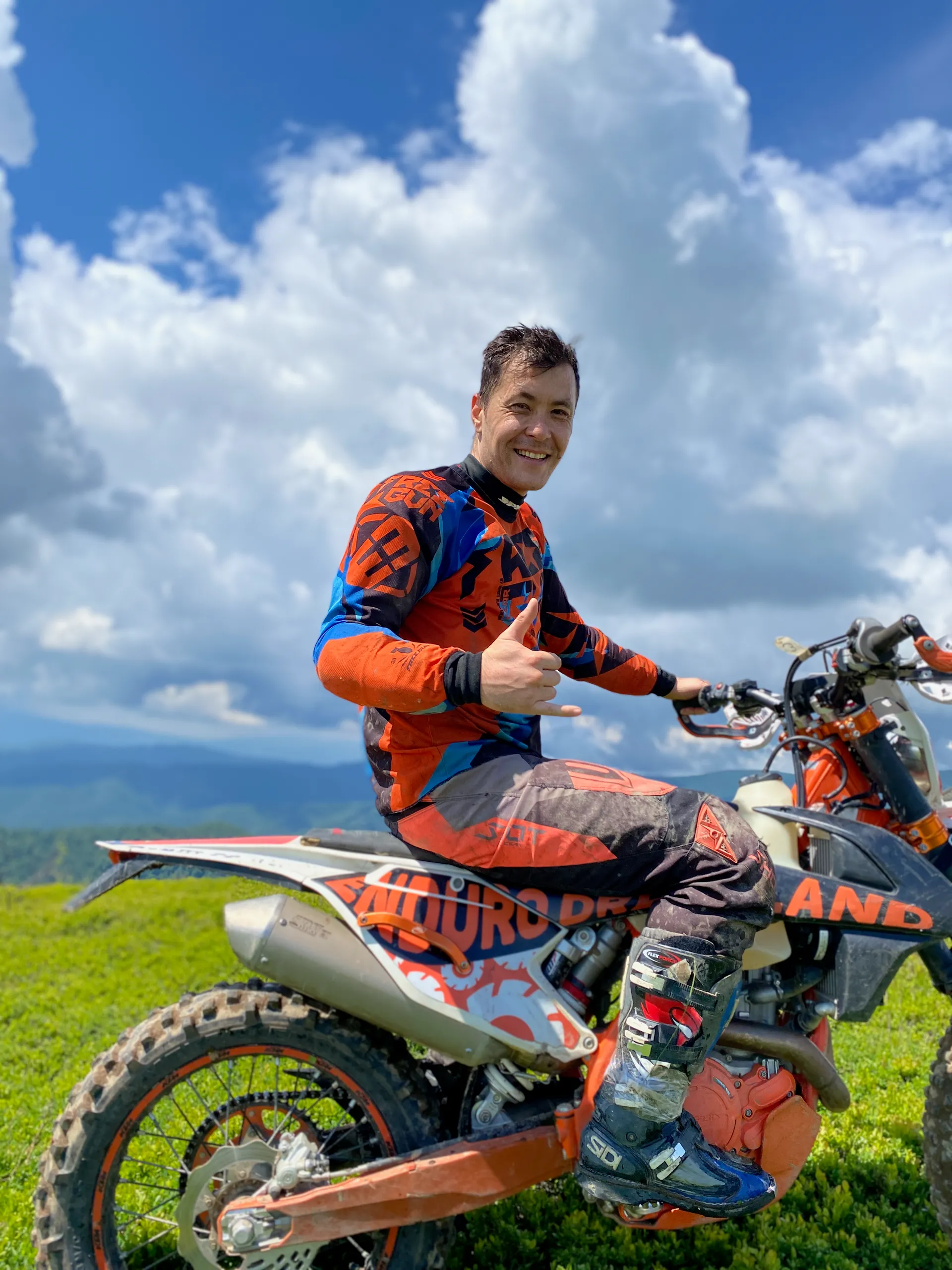
Wavelike Nature of Threats
Riding in the City: How to Spot Danger Waves Like a Pro
Riding in the city isn't random—it's wavy. Things change in patterns, and danger shows up in peaks and valleys. Sometimes it's calm, and you're cruising with no issues. Other times, danger spikes out of nowhere. The trick? Learn to read the waves and adapt before it's too late.
The Problem: New Riders Miss the Waves
Here's the issue: most new riders treat every stretch of road the same. They don't realize that danger levels, or what we'll call «P» (for potential), are constantly changing. They ride through calm spots the same way they ride through high-risk zones—totally unaware.
Experienced riders know better. They've learned that the danger potential shifts depending on where you are and what's happening. They adjust their riding style to match, which keeps them ahead of the game.
What Creates Danger Waves?
- Location
The biggest danger zones? Intersections and exits. Up to 70% of incidents happen here. Why? Because this is where paths cross—cars, bikes, pedestrians, all moving at different speeds.
The worst collisions often happen at intersections, especially side impacts. These can lead to severe injuries like pelvic fractures or worse. Even if you're on the main road with a green light, you have to watch out for the one driver who'll blow through a red. It doesn't happen often, but when it does, it's a big deal. - Visibility and Predicting the Future
Every accident happens in the future—seconds or moments ahead. If you can't see clearly because of blockers (like trucks, buses, or even buildings), or if you're not thinking ahead, your risk skyrockets. Seeing the road and imagining how events might play out is critical to staying safe.
What Can You Do?
- Approach Danger Zones Differently
- Ease off the throttle.
- Downshift and start smooth engine braking.
- Get ready to either stop quickly or speed up if needed.
- Always look for hidden threats, even if you're on the main road with the right of way.
- Stop Riding on Cruise Control
A big rookie mistake is riding with a constant throttle, like everything's fine. Don't do that. Experienced riders know to change their speed and prepare for anything. This gives you more options when something goes sideways. - Train Your Vision and Prediction Skills
- Analyze the road ahead. Are there blockers? Blind spots? Anything you can't fully see?
- Visualize what could happen next. Ask yourself, «What's the worst-case scenario here?» and plan for it.
Why This Matters
When you adjust your riding to the «waves» of danger, you're playing a smarter game. You're not just reacting; you're staying ahead of risks before they happen. This is what separates riders who last a long time from those who get taken out early.
Read the waves, adapt, and ride smarter.
Liked it? Share with fellow riders
Nebachiv Book and App — in progress
Get early accessRead more
Vision. «See Far Ahead» principle
Improve your motorcycle safety with the «See Far Ahead» principle. Learn how to position yourself for better visibility, anticipate hazards, and confidently navigate the road with fewer risks.
Abruptly
Sudden motorcycle accidents aren’t random—they’re predictable. Learn the key strategies to anticipate risks, avoid surprises, and ride safer with the ‘Seeing Far’ principle.

Position
Why do novice motorcyclists stay in the middle of the lane, and why is it dangerous? Discover how proper lane positioning improves visibility, creates escape routes, and defends your safety on the road.
Reversed Timeline of Incident
Accidents start long before impact. Break down the timeline of situations and learn to spot dangers in the early stages.
100% Responsibility
Who’s at fault in a motorcycle accident? It doesn’t matter when your safety is on the line. Discover why focusing on responsibility—not fault—could save your life on the road
Visibility Blocker concept
Discover how everyday obstacles—trucks, tinted cars, or even your own visor—turn safe rides into sudden disasters. Learn the strategies to see further, react faster, and stay ahead of hidden dangers. Don’t let the road surprise you. Click to read more and ride smarter.