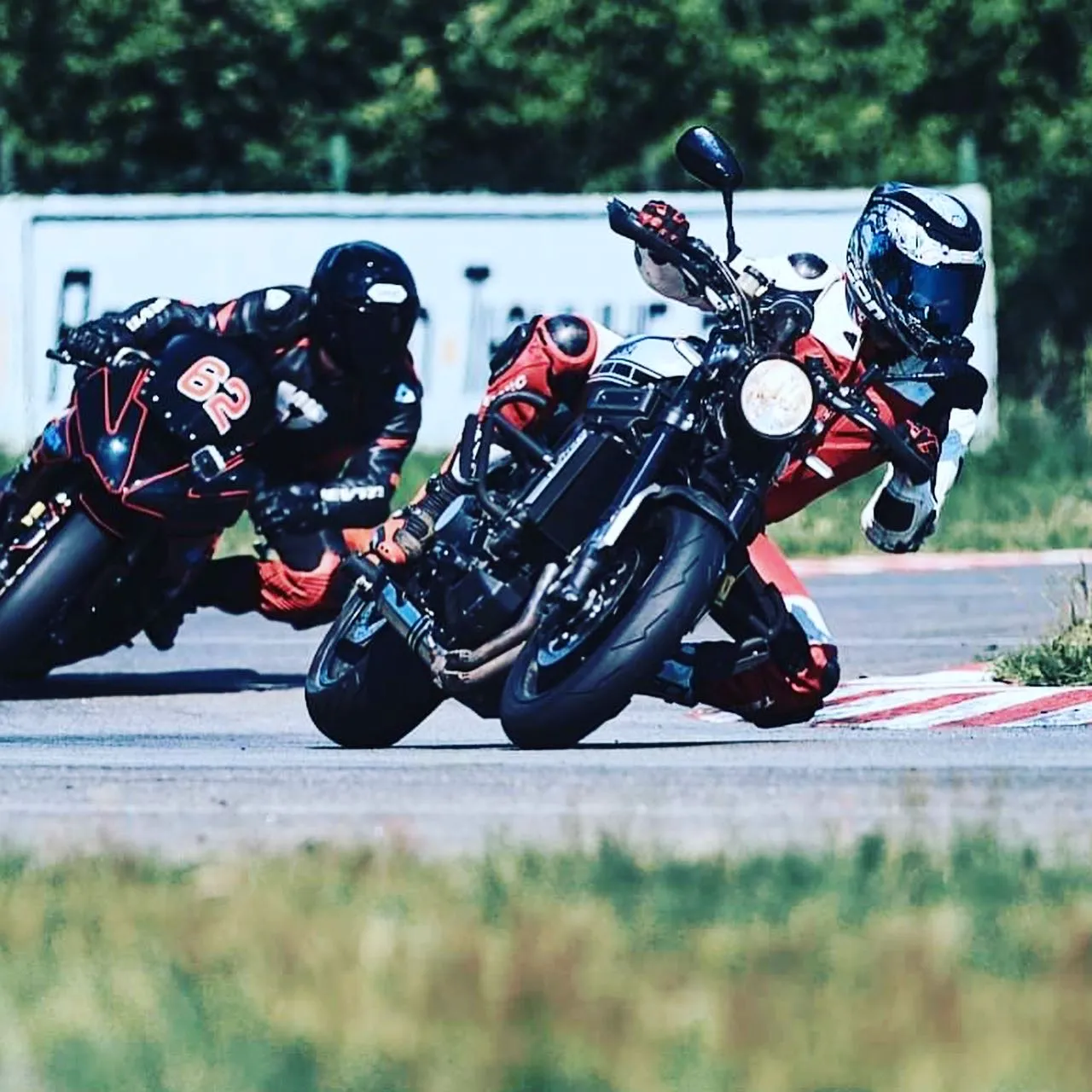
Principles and mindset of a good motorcycle rider
These are the principles I ride by in the city: see far ahead, stay away from anything that blocks your view, pick your lane position on purpose, and expect the “suddenly” moment before it arrives. Each one is short here, with a link to the full article below.
1. The “See Far Ahead” Principle
- Always choose a position and speed that let you see as far as possible.
- “Seeing far” means predicting potential threats before they occur.
2. The “Visibility Blocker” Concept
- Anything that limits your visibility—trucks, tinted cars, buildings, the sun, or even your own visor—is a potential threat.
- Avoid riding alongside blockers for long. Always anticipate that something dangerous could be hiding behind them.
3. Positioning Strategy
- Choose a position that maximizes your visibility, leaves room for escape maneuvers, and protects your lane.
- Never ride directly in the middle of a lane or right behind a blocker—it limits your options and increases risk.
4. The Responsibility Principle
- No one owes you anything on the road. Don't expect others to follow the rules.
- You are responsible for everything happening around you. Ride as if your life depends on your decisions—because it does.
5. The Concentration Principle
- Always stay laser-focused on your ride and the potential threats around you.
- Avoid distractions—whether it's admiring cars, zoning out, or even checking out the scenery.
6. The Perception Error Concept
- Drivers might look directly at you but still not see you, thanks to selective attention or tunnel vision.
- Understanding this concept helps you predict and avoid incidents caused by others' perception errors.
7. The Wave-like Threat Principle
- Threat levels fluctuate based on road conditions—intersections, exits, and clusters of vehicles are hotspots for danger.
- Always adapt your riding style to match the changing levels of threat on the road.
8. The Crash Timeline Concept
- Incidents unfold in stages: the start of the situation, the “SUDDENLY” moment, reaction, actions, and impact.
- Recognizing these stages helps you predict and prevent crashes before they happen.
9. The “Suddenly” Moment
- “Suddenly” doesn't happen out of nowhere—it's usually the result of poor preparation, speed, or a blocked view.
- Avoid the “suddenly” by choosing better positions, slowing down near blockers, and anticipating bad scenarios.
Building the Rider's Mindset
These principles are how I read the road instead of just riding on it. More on why we ride at all, despite the risk, in why we ride motorcycles.
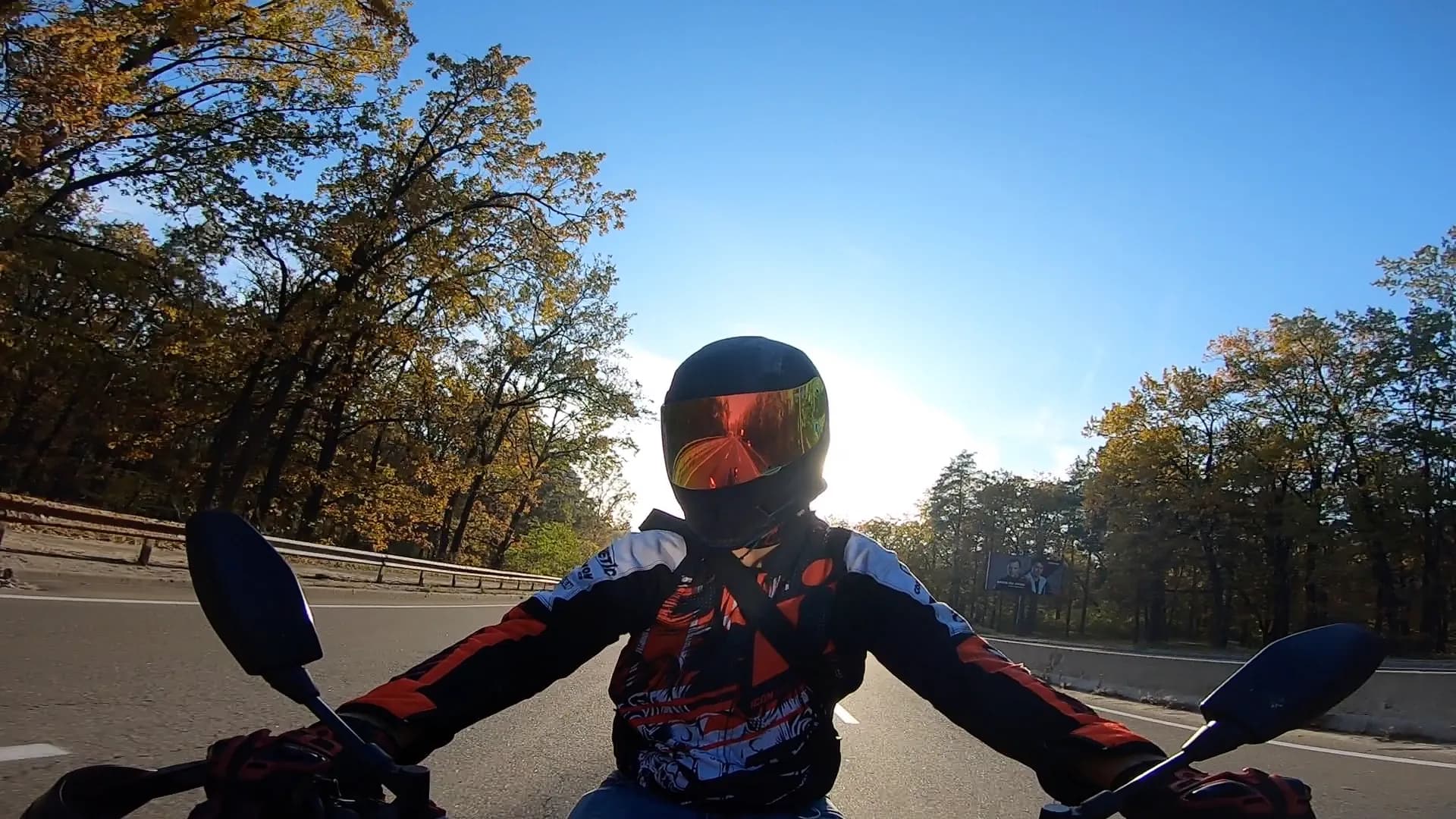
See Far Ahead: Where to Ride So You Can See What's Coming
Improve your motorcycle safety with the “See Far Ahead” principle. Learn how to position yourself for better visibility, anticipate hazards, and confidently navigate the road with fewer risks.
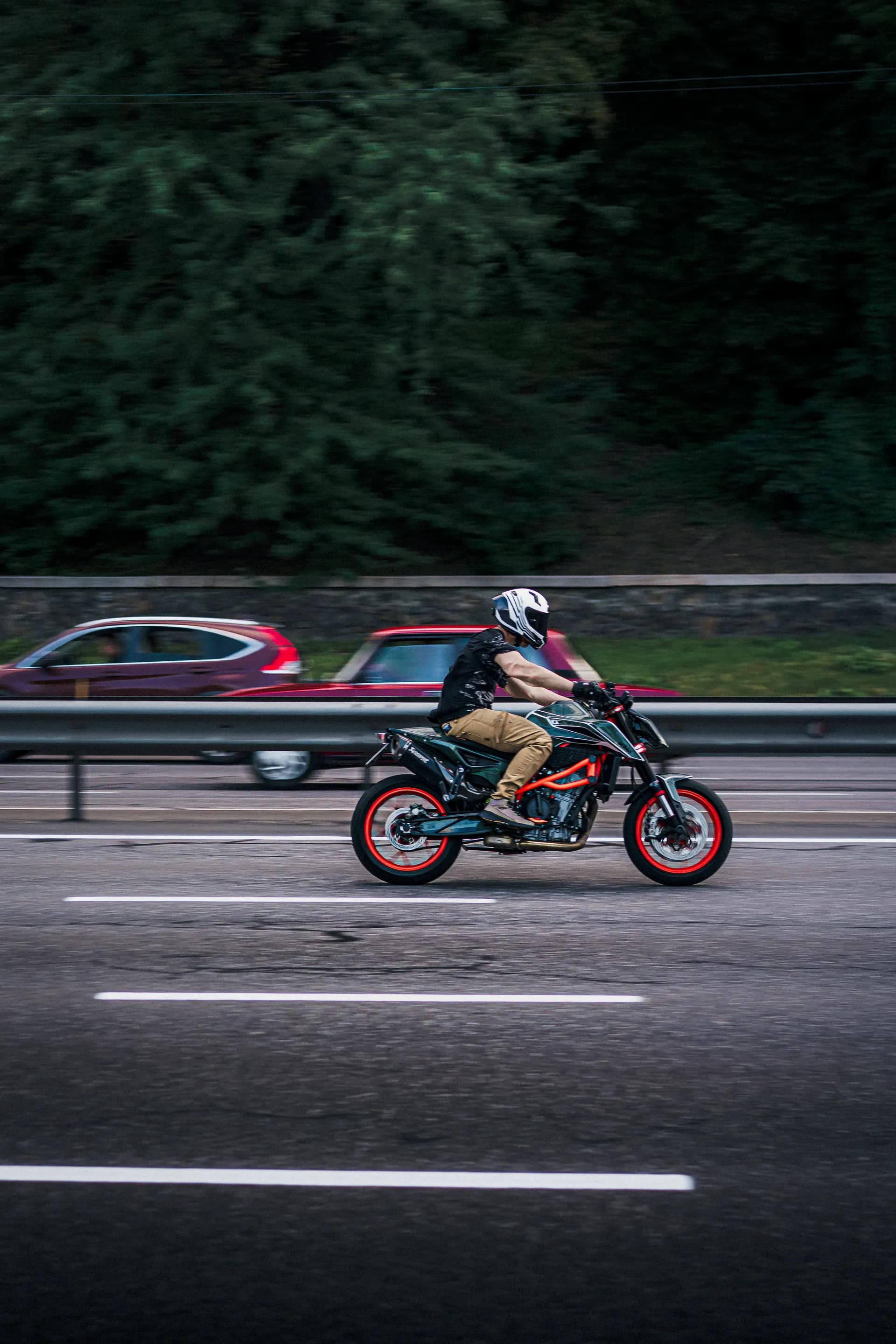
Why Motorcycle Crashes Feel “Sudden”
Sudden motorcycle accidents aren’t random—they’re predictable. Learn the key strategies to anticipate risks, avoid surprises, and ride safer with the “See Far Ahead” principle.
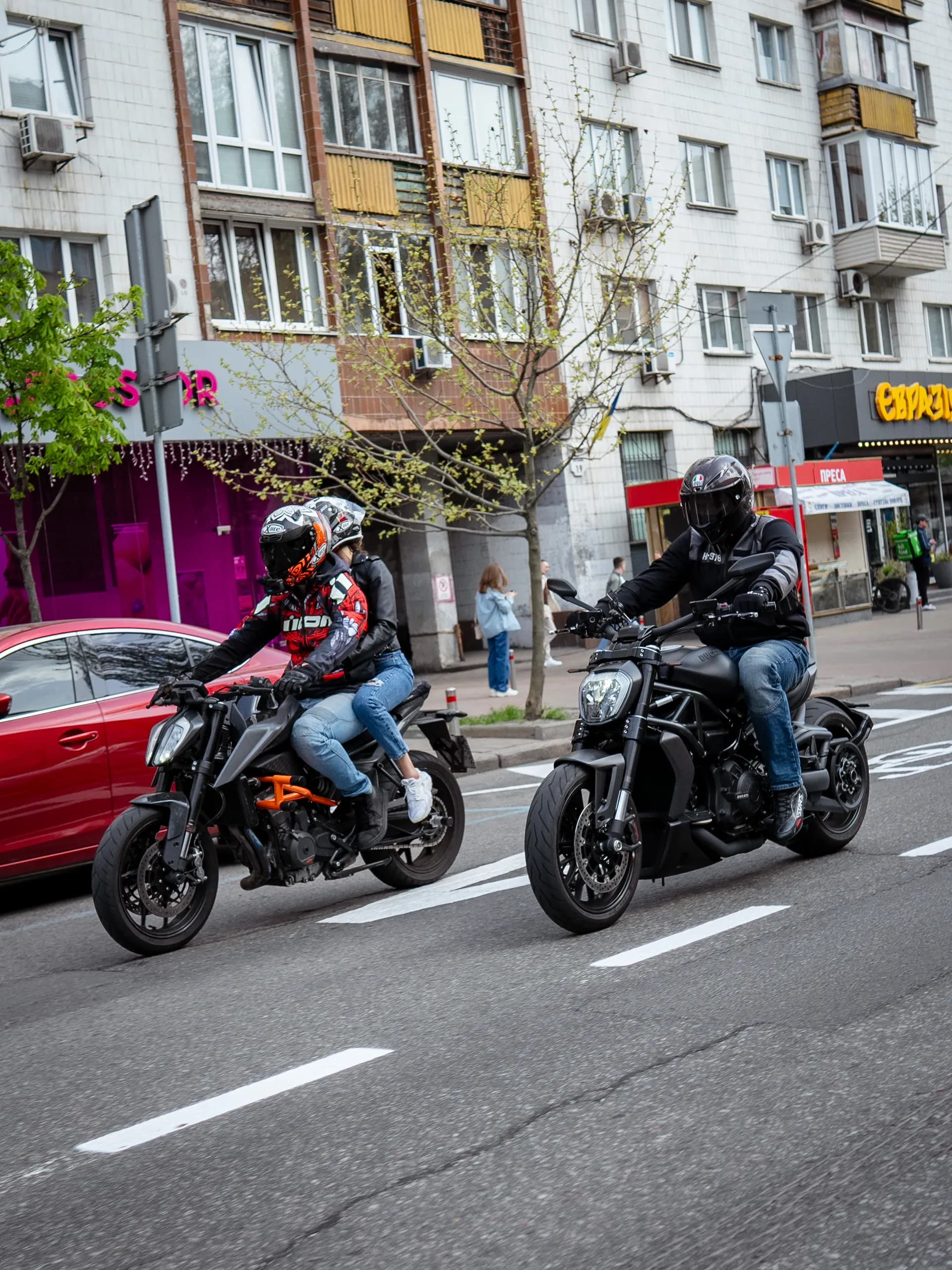
Lane Position: Why Riding in the Middle Is Dangerous
Why do novice motorcyclists stay in the middle of the lane, and why is it dangerous? Discover how proper lane positioning improves visibility, creates escape routes, and defends your safety on the road.
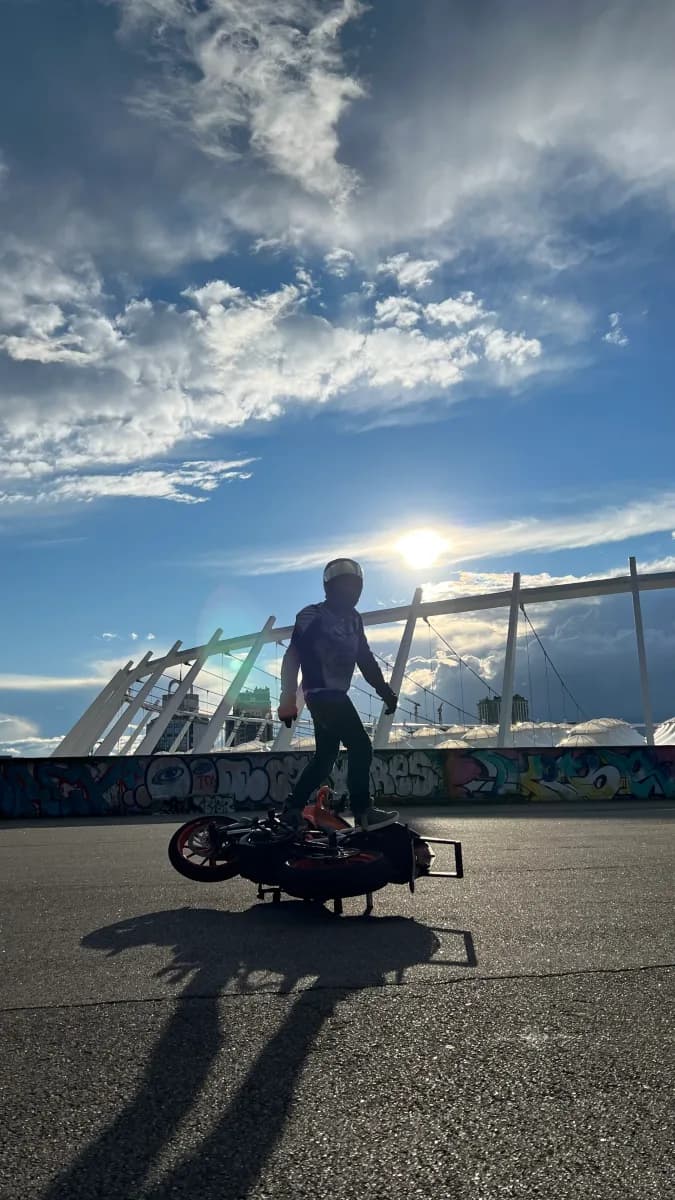
Reverse Timeline of a Motorcycle Crash
Accidents start long before impact. Break down the timeline of situations and learn to spot dangers in the early stages.
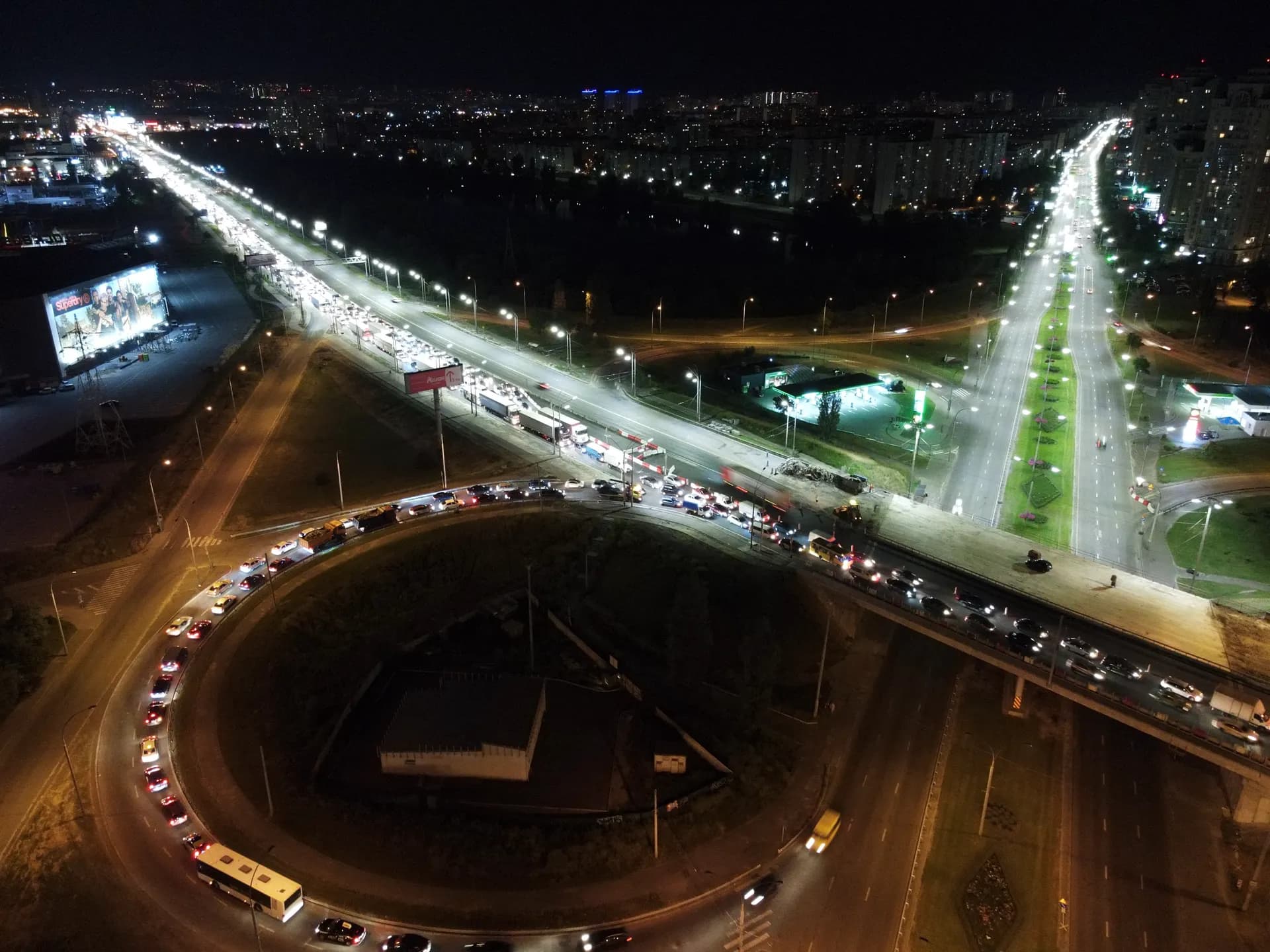
Danger Comes in Waves
Threats build up like waves. Learn to identify dangerous areas, adjust speed, and minimize risks effectively.
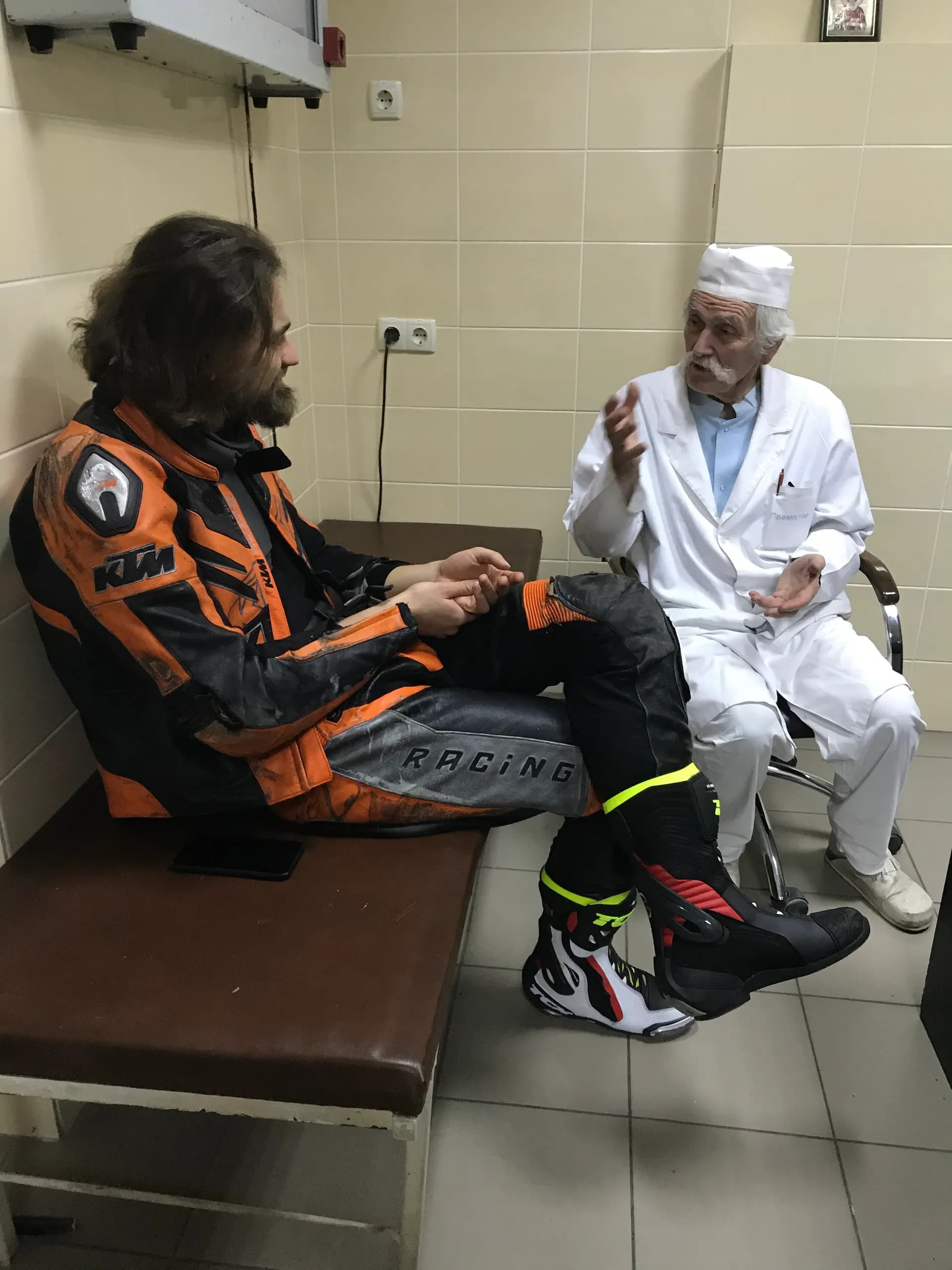
100% Responsibility
Who’s at fault in a motorcycle accident? It doesn’t matter when your safety is on the line. Why I think about responsibility, not fault, every time I ride.
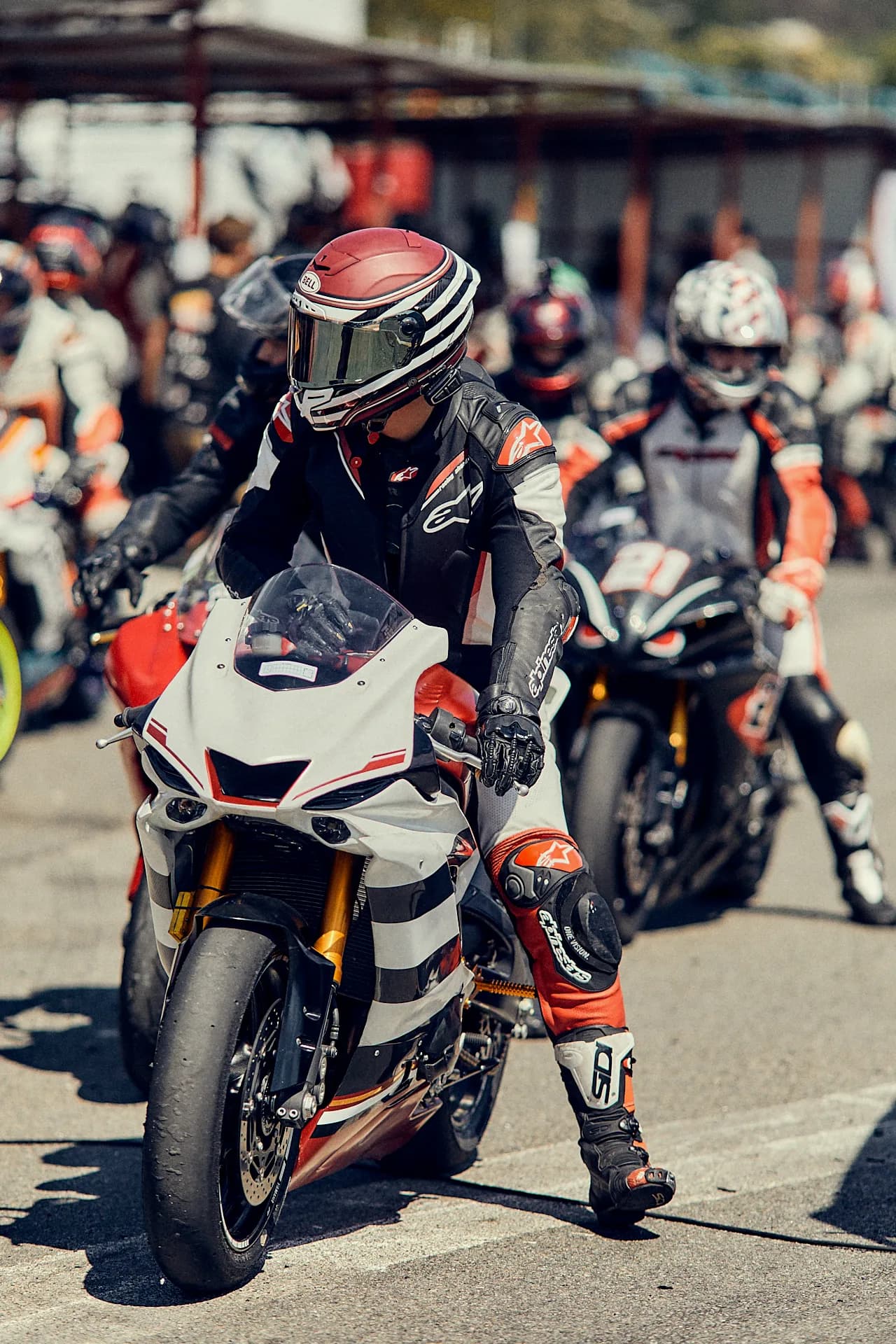
Visibility Blockers: What You Can't See Past on the Road
Discover how everyday obstacles—trucks, tinted cars, or even your own visor—turn safe rides into sudden disasters. Learn the strategies to see further, react faster, and stay ahead of hidden dangers. Don’t let the road surprise you. Click to read more and ride smarter.
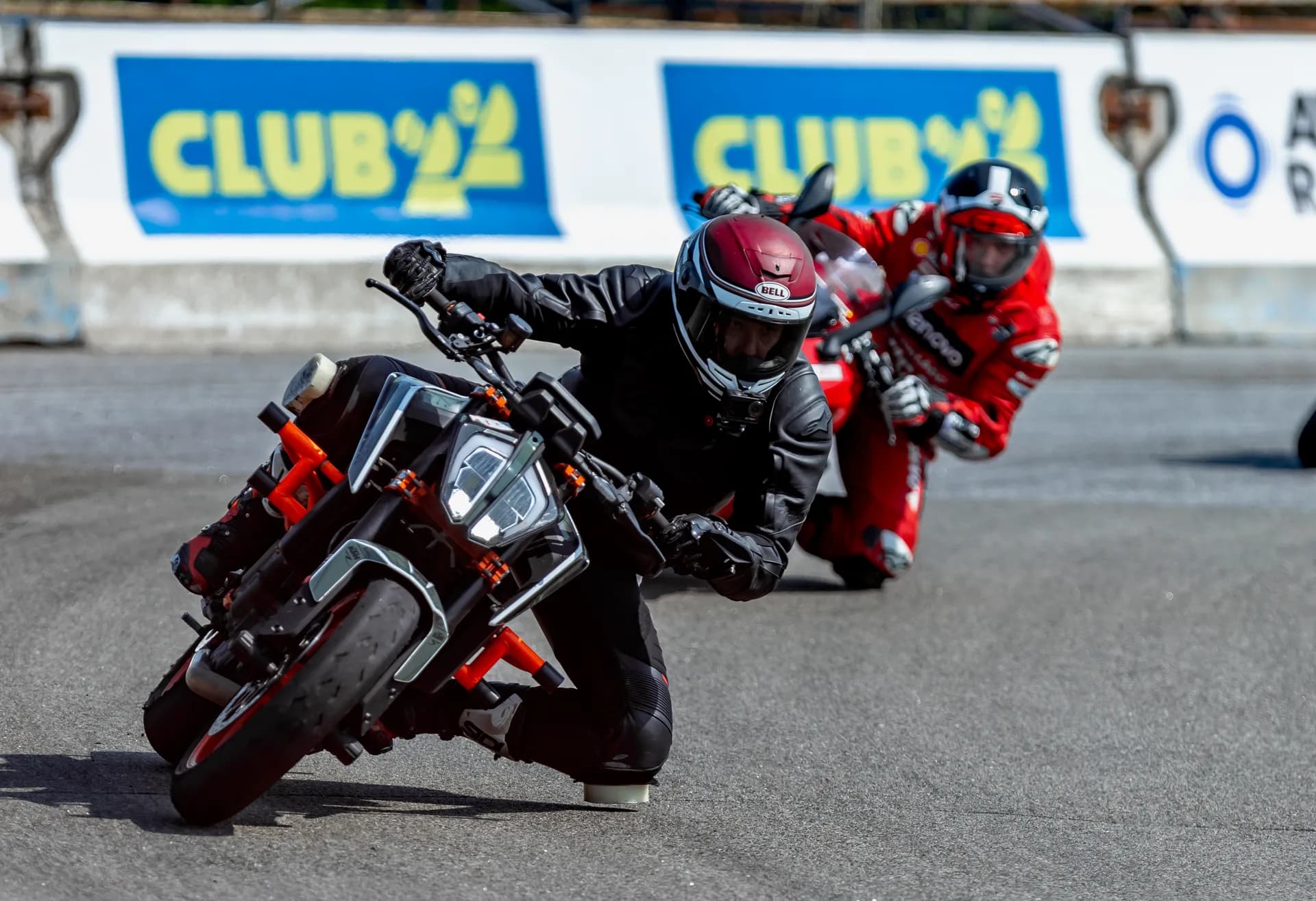
Why We Love Riding Motorcycles, Even Though It's Dangerous
Why people ride motorcycles if it's so dangerous: my story from a first solo ride in Kyiv to a Carpathian switchback and gymkhana, riding as an “emulation of life”, love, pain, and risk versus danger.
In the app: real city riding situations on video, with pauses and explanations, then recognition tests
App access opens in waves, in the order requests come in
Get early accessLiked it? Share with fellow riders
Read next
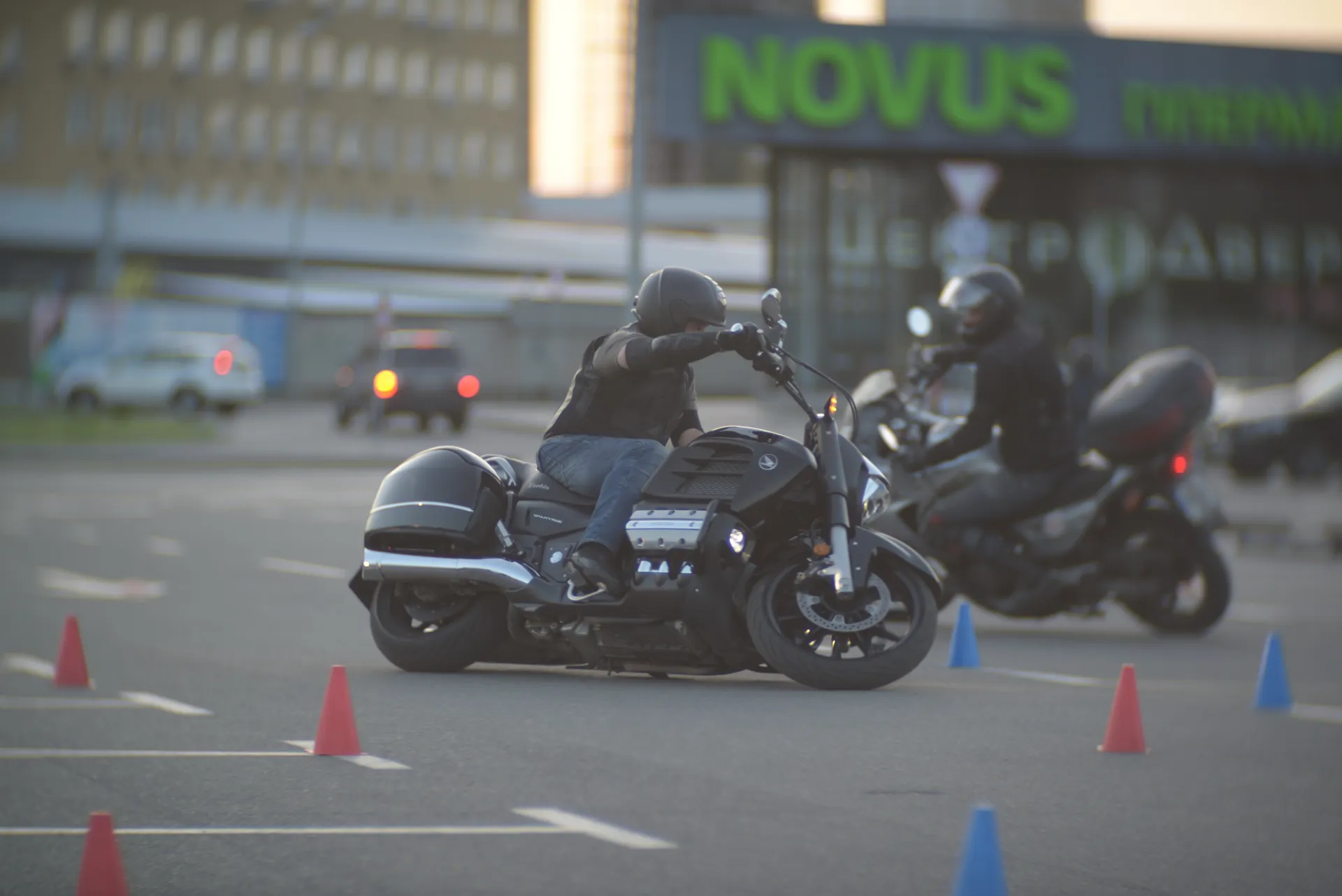
New Rider? Start Here
New to riding? Start here: which skills to practice first, how to pick a first bike, what gear to buy, and the two crash topics worth reading before your first season.