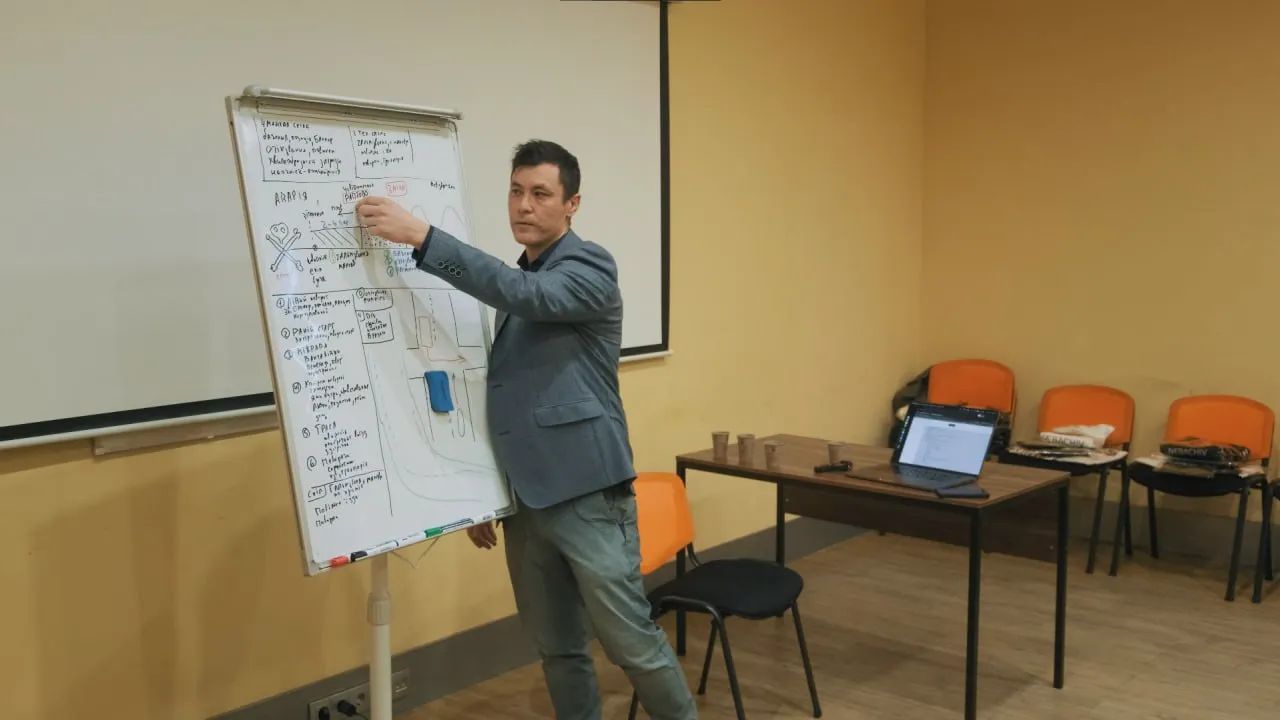
Slippery Surface
A road surface with reduced grip — wet asphalt, paint lines, oil, sand, leaves.
What is it
A slippery surface is any road area where tire grip is significantly reduced. Wet asphalt, road markings, oil spills, sand, cobblestones, leaves, metal manhole covers — all can steal traction instantly.
How it happens
A rider hits a slippery patch while leaned over or braking. The tire loses grip — and the bike goes down (lowside). Especially dangerous: the first minutes of rain (oil rises to the surface), sand from winter, wet paint lines.
How to reduce the risk
- Read the surface — constantly scan the road ahead
- On suspicious patches — ride upright, no lean, no braking
- Wet paint lines — avoid or cross perpendicular, never at an angle
- After rain — double following distance, half the lean angle
Liked it? Share with fellow riders
Related terms
Perception Error
Misjudging speed, distance, or the intention of another road user. The number one cause of crashes.
Visibility Blocker
An object blocking your line of sight — a truck, fence, bush. Anything could be behind the blocker.
Target Fixation
Involuntarily staring at an obstacle instead of the safe path — and riding straight into it.
Blind Spot
An area around a vehicle where the driver cannot see you — not in mirrors, not in peripheral vision.
Left Turn Danger
A car turns left across your path — the most common type of motorcycle collision.
Articles on this topic
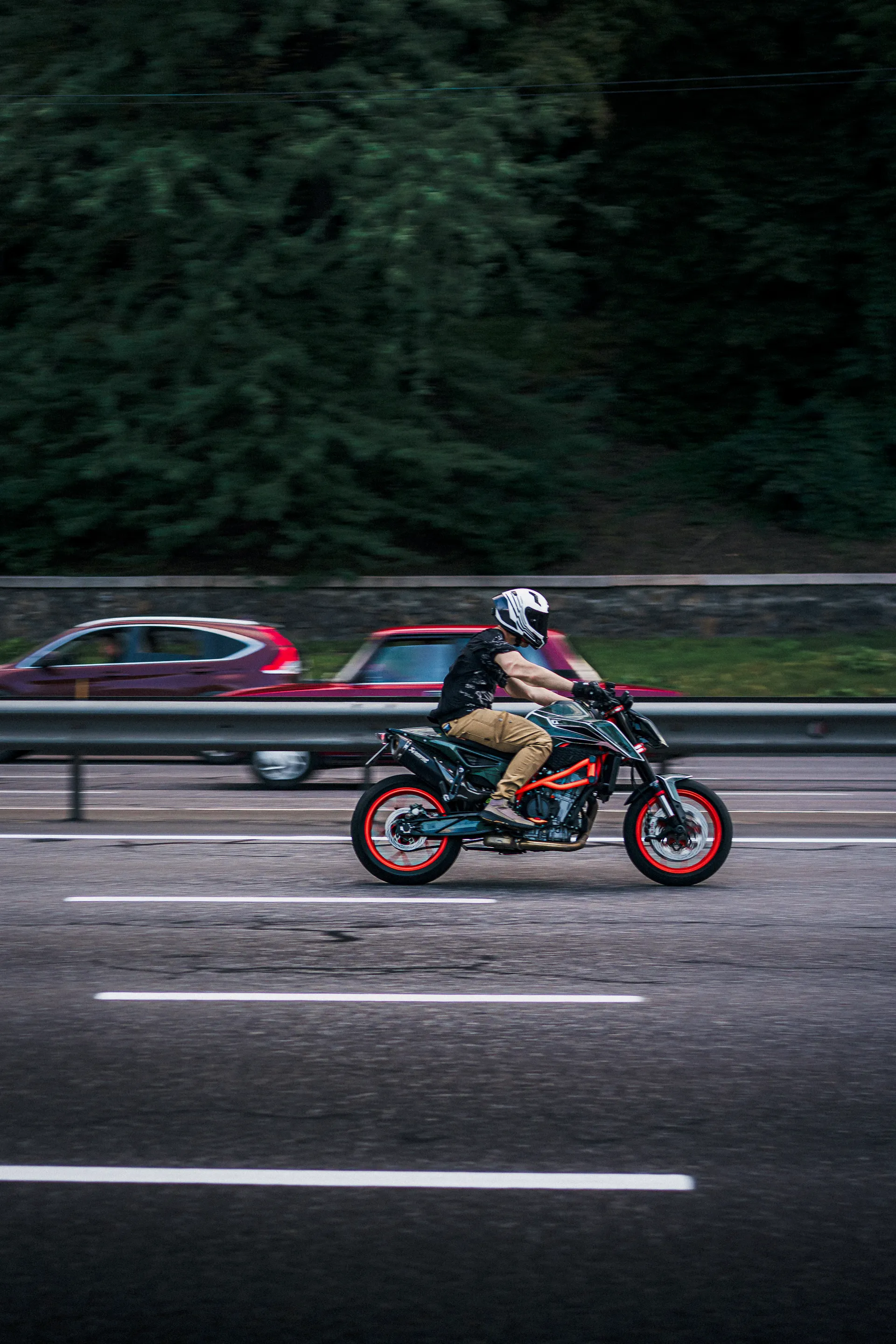
Why City Riders Crash in Corners—and How to Avoid It
Why do city riders crash on serpentines? Discover how to avoid low-sides and high-sides with proper leaning, trail braking, and safety techniques for cornering.
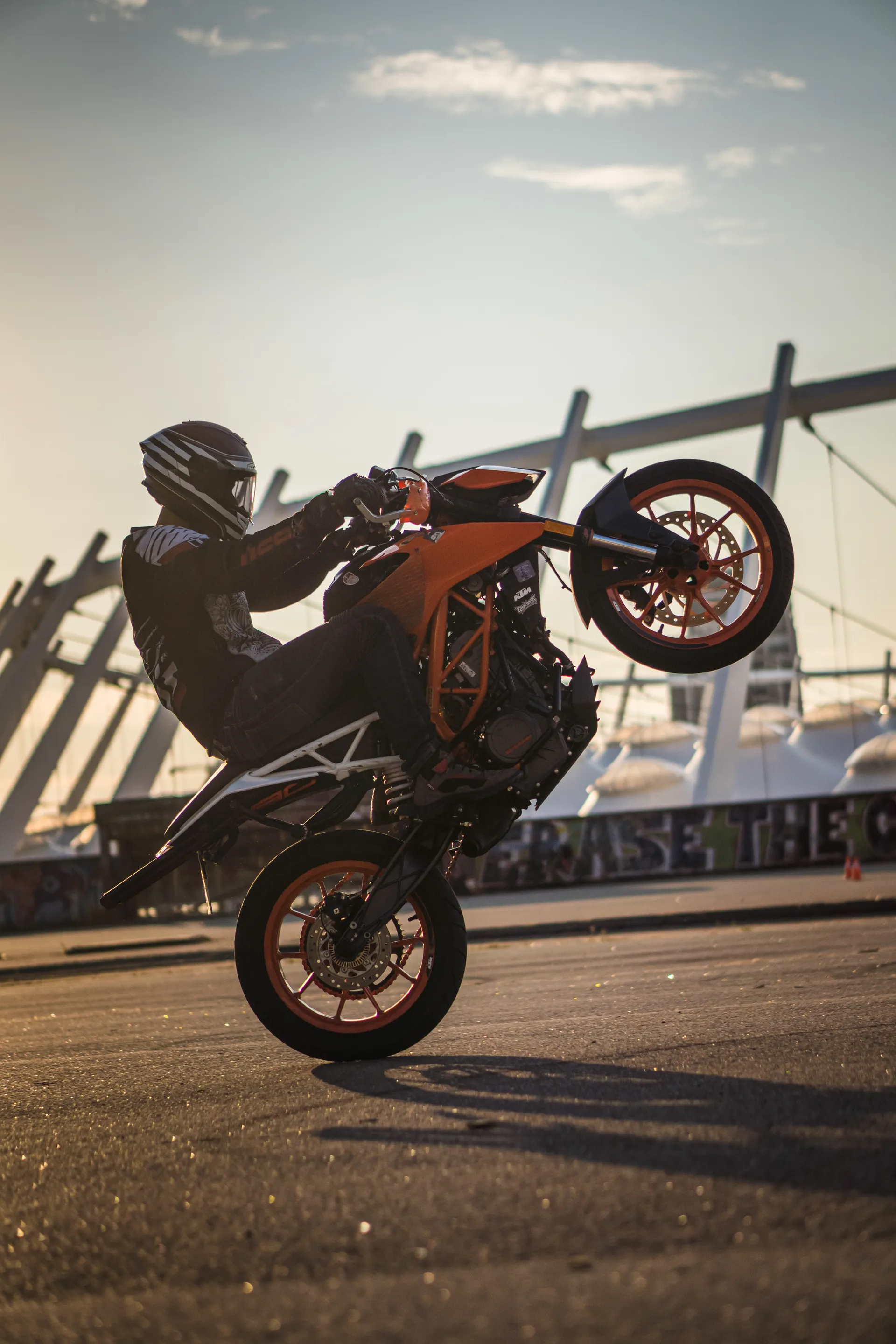
Why New Riders Crash in Corners—and How You Can Avoid Their Mistakes
Learn why new riders crash in corners and how to avoid their mistakes. Master leaning, trail braking, and wide trajectories to stay safe and in control on any curve.
Nebachiv Book and App — in progress
Get early accessNext term
Chain Reaction
One event triggers a series of crashes — each participant's reaction creates a new hazard.