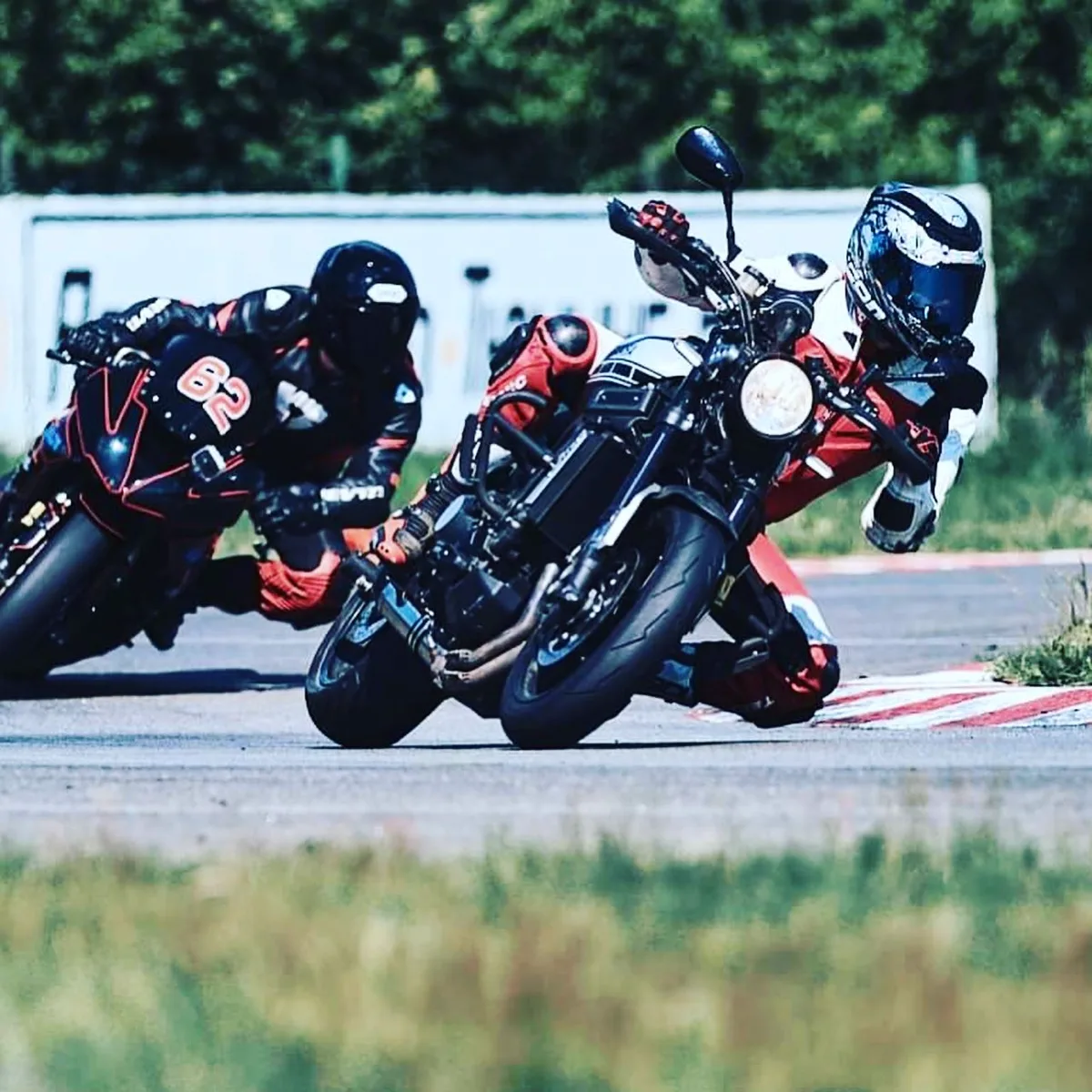
Why New Riders Crash in Corners—and How You Can Avoid Their Mistakes
New riders crash in corners for five predictable reasons. Here they are, how each one plays out on the road, and what to practice so you have a way out when a corner goes wrong.
Why Do New Riders Crash in Corners?
New riders make predictable mistakes because they don't understand the mechanics of cornering. Here's what they're doing wrong:
- Fear of Leaning the Bike:
In the city, you rarely practice leaning. Most riders don't know how far they can push their bike, so their brain creates a false “safety limit.” In reality, the bike can lean much more than they think. - Looking at the Wrong Thing:
Your bike follows your gaze. When things go south, new riders fixate on the obstacle they fear hitting instead of the exit they should aim for. - Fear of Front Braking in a Turn:
“If I touch the front brake, I'll crash.” This mental block keeps riders from slowing down when they need to. - Picking a Bad Line:
Thinking they'll save space, new riders turn in too early. When their line doesn't match the exit, they panic and crash. - Getting Dragged by Faster Riders:
In group rides, inexperienced riders copy the speed of more skilled friends but lack the technique to match it. That is how a new rider ends up in a corner too fast.
How Do These Mistakes Play Out?
Scenario 1: The Narrow Entry
A new rider thinks: “If I enter the corner early, I'll have a smoother exit.” In reality, this limits their maneuvering space and increases the risk of running wide or crashing.
Scenario 2: The Freeze Response
When the bike starts to slide, stress kicks in. The rider's body stiffens, hands grip the bars too tightly, and they lose the ability to correct their line. All they can do is brace for impact.
Scenario 3: Following a Faster Rider
An experienced rider speeds into a corner effortlessly. The novice behind tries to match the speed but can't replicate the lean or braking technique. Result? They overshoot the corner and hit a barrier.
How to Avoid These Mistakes
1. Practice Leaning in a Safe Environment
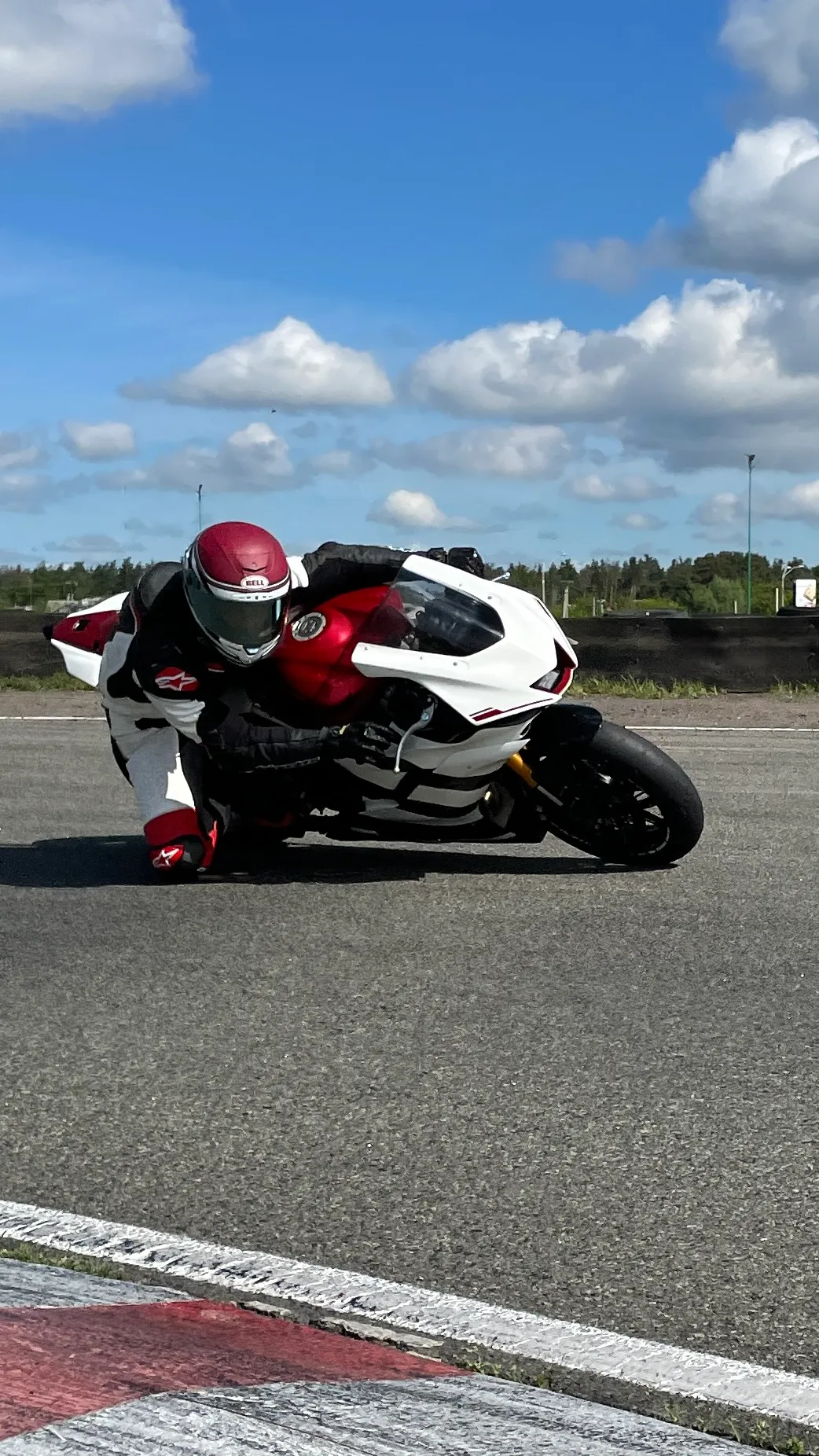
- Use a parking lot or track to explore your bike's limits.
- Start small, and learn how much your bike can lean without losing grip.
2. Enter Wide for a Better Line
- Approach corners from the outside for more room to adjust.
- Focus on the exit of the turn, not what's directly in front of you.
3. Master Trail Braking
- Learn to smoothly use the front brake while leaning.
- Gradual braking helps adjust your speed mid-turn without unsettling the bike.
4. Ride at Your Own Pace
- Don't try to match the speed of more experienced riders.
- Focus on improving your technique rather than keeping up.
5. Read the Road Surface
- Watch for oil, sand, or wet patches—they reduce grip dramatically.
- Adjust your speed and lean based on the conditions.
In Short
- Practice Leaning: Start small in controlled environments to learn your bike's limits.
- Choose Wide Entries: Keep your options open with a wider approach to turns.
- Master Trail Braking: Learn to use the front brake smoothly in corners.
- Adjust for Conditions: Slow down for oil, sand, or wet patches on the road.
- Focus on the Exit: Look where you want to go—not at what you want to avoid.
FAQs
- What should I do if I start sliding in a turn?
Keep the throttle steady, avoid abrupt movements, and focus on the exit. - How far can a motorcycle lean safely?
Most bikes can lean far more than riders think, but practice is needed to find the limit. - What's the best line for a corner?
Start wide, aim for a smooth arc, and finish on the inside of the exit. - Can you brake in a turn without crashing?
Yes, with trail braking, which involves smooth and controlled front brake application.
Corner crashes are among the crash types I break down on real videos in the Nebachiv app. There's also a crash-prediction game: you watch a video and learn to spot the danger before it turns into a fall.
In the app: real city riding situations on video, with pauses and explanations, then recognition tests
App access opens in waves, in the order requests come in
Get early accessLiked it? Share with fellow riders
Read more
Should You Pull the Clutch When Braking on a Motorcycle?
I don't pull the clutch in at the start of braking: I pull it in at the end, just before a stop. Why, plus downshifting and engine braking.
How to Choose a Motorcycle Helmet: Type, Size, Visor and Certification
I recommend a full face or modular helmet: a simple street model with a wide field of view and a clear visor, fitted to your head shape. Type, size, brands, visor, strap, certification.
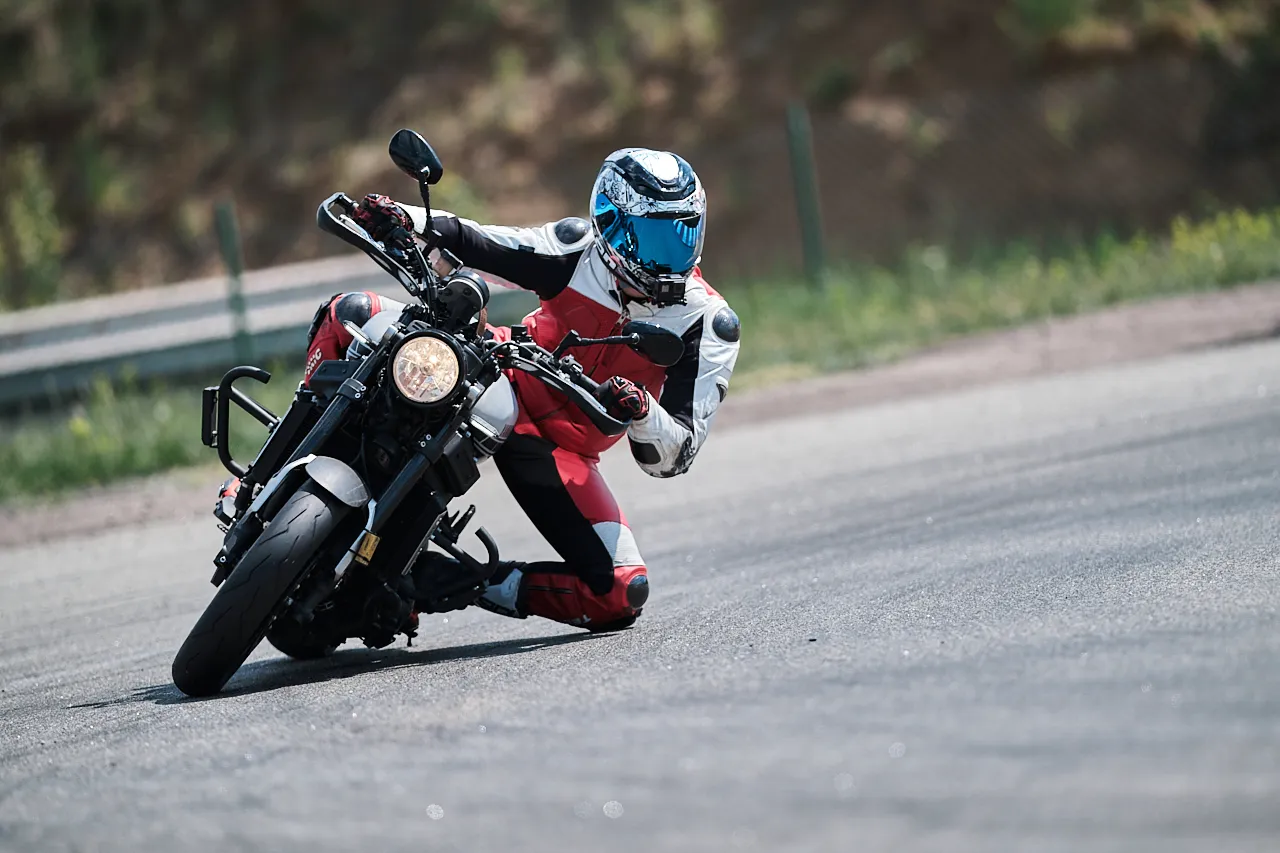
Why New Riders Fear Corners, and How I Got Over It
My first track day came in my seventh season. What the track, gymkhana and pit bikes taught me about leaning, and the mountain road where I nearly ran wide.
Common Lane-Splitting Mistakes New Riders Make (And How to Fix Them)
Where new riders go wrong between the lanes: balance at walking speed, blockers, blind spots, impatience. And the drills that fix it.
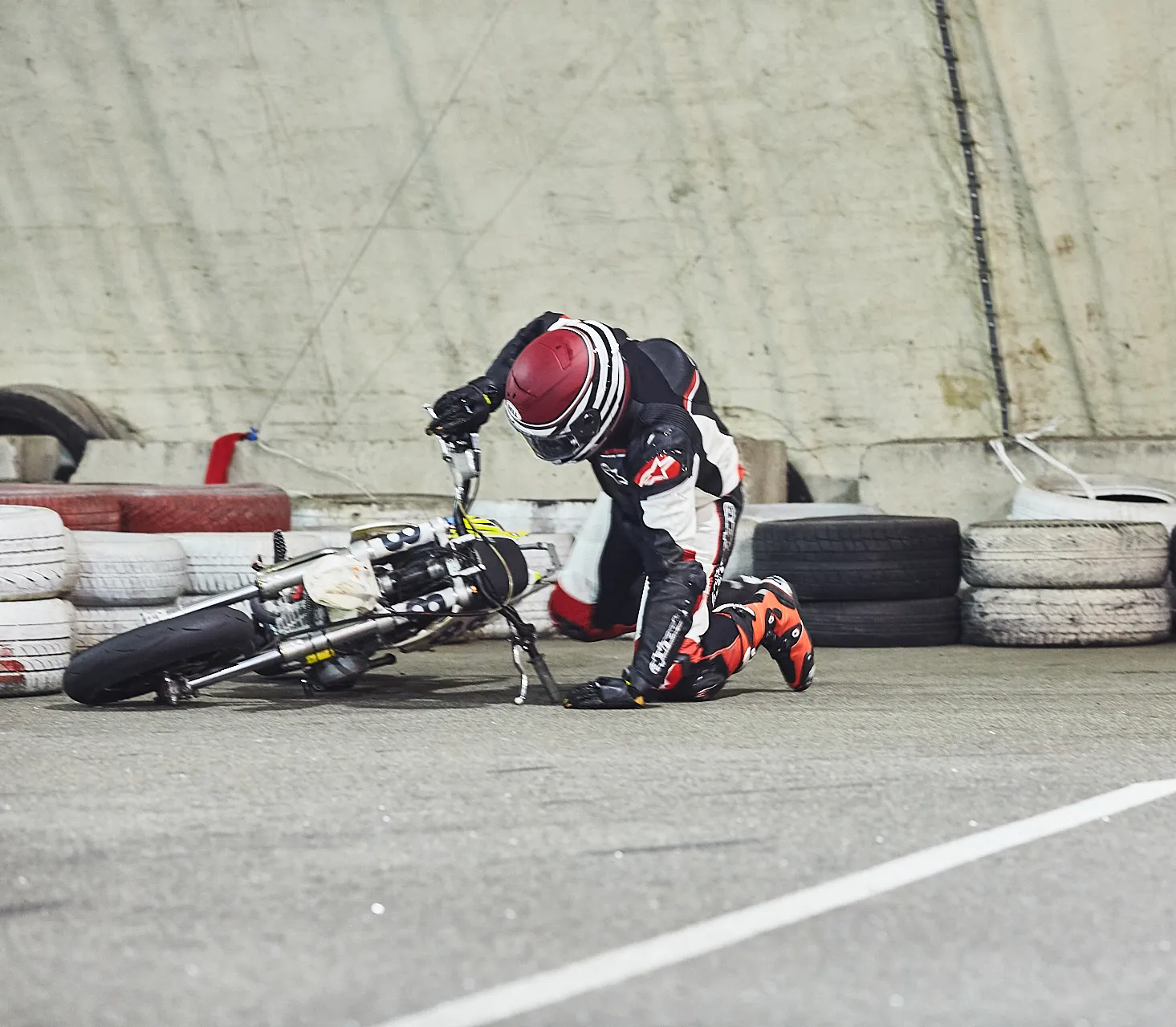
8 Braking Mistakes Most Riders Make (and How to Fix Them)
The 8 braking mistakes I see most often in crash footage, from a late reaction to turning the bars under hard braking, with a fix for each.
How to Emergency Brake a Motorcycle from 60 mph
How I brake in an emergency: two fingers on the lever, all focus on the front brake, clutch left alone. The full technique and how to practice it.