Common Lane-Splitting Mistakes New Riders Make (And How to Fix Them)
Lane splitting (filtering) saves time in city traffic. For a new rider it is also where the first scratches and expensive mistakes come from. Check whether it's legal where you ride; if it is, here are the errors beginners make and how to fix them.
Where New Riders Go Wrong
Lane splitting can seem intimidating for new riders, and with good reason. Without the right skills and mindset, it's easy to make mistakes like:
- Balance Issues: Riding slowly between cars requires fine control, but many new riders feel wobbly and fear scratching vehicles.
- Poor Awareness of Blockers: Trucks, buses, and parked cars can hide pedestrians or merging vehicles, leading to sudden and expensive surprises.
- Blind Spot Dangers: Trucks and SUVs have large blind spots that make you almost invisible.
- Impatience: Frustration can lead to rushed decisions or road rage, increasing risks for everyone involved.
These mistakes aren't just about safety—they can also dent your confidence and wallet.
How to Fix It
1. Master Slow-Speed Control
Riding in traffic means controlling your bike at walking speeds. Here's how to practice:
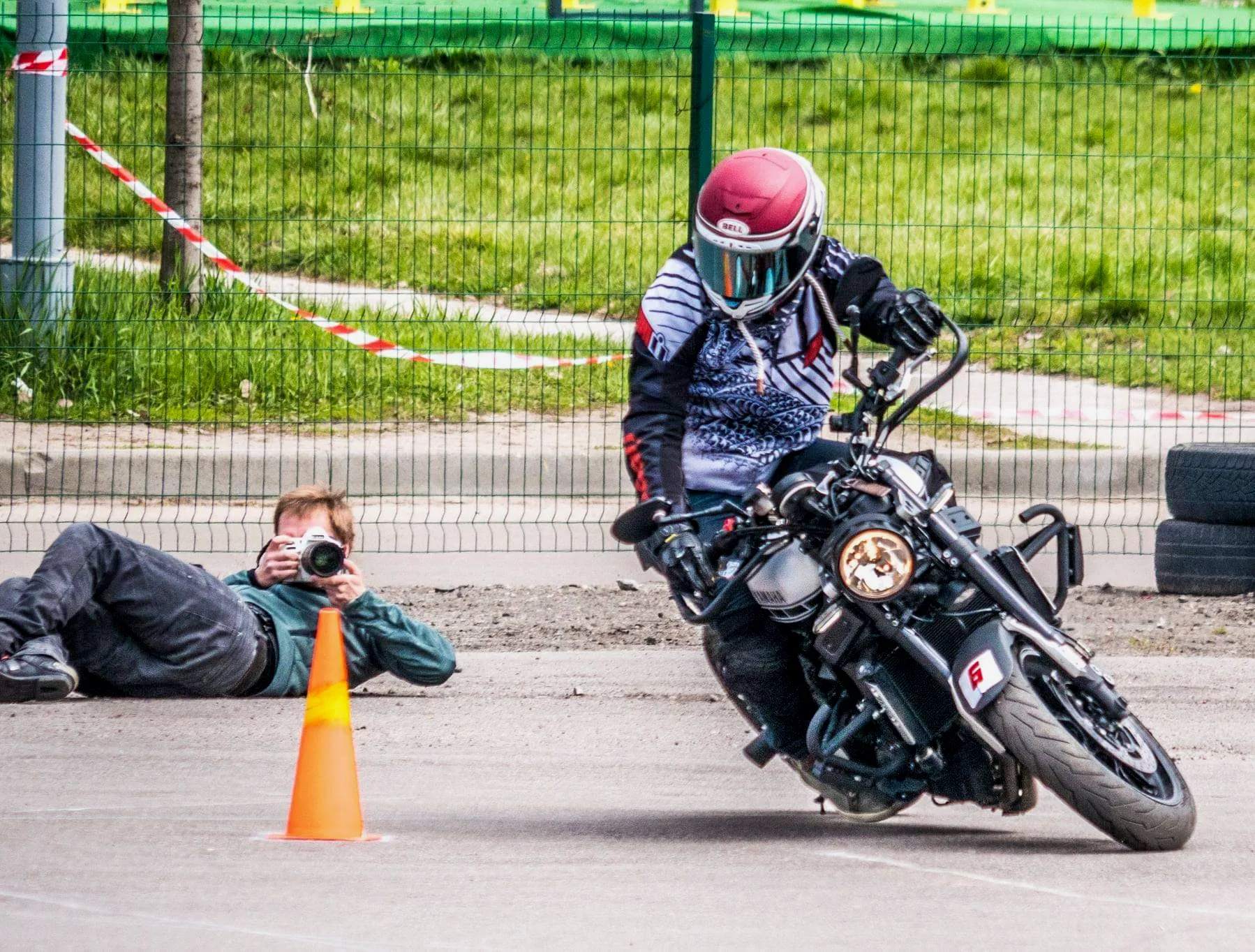
- In a Parking Lot: Find an empty spot, use the clutch and rear brake, and aim to balance in the parking space for 10-20 seconds without putting your feet down.
- At Stoplights: As you approach a red light, slow down to a crawl and try to roll right into the green. This will improve your throttle and brake finesse.
- Why It Works: These exercises teach fine motor control, helping you stay steady even in narrow spaces. After a couple of weeks you'll feel much steadier.
2. Understand and Avoid Blockers
Blockers, like trucks and buses, obscure hazards. Here's how to deal with them:
- Always Assume the Worst: A pedestrian, cyclist, or car could pop out at any time.
- Position Smartly: If you can't avoid a blocker, slow down and prepare to stop quickly. Avoid riding alongside for too long.
3. Be Strategic About Positioning
- Watch the Gaps: If there's an open space between cars, assume someone will move into it.
- Watch the Front Wheels: Look for turned wheels on stationary cars—they're often a clue someone's about to change lanes.
- Stand Up on the Pegs: It lets you see over cars and plan your route better.
4. Patience is Key
- Wait When Necessary: No one owes you space in traffic. If someone blocks your path, take a breath and wait.
- Why It Matters: A little patience can save you from a costly mistake or an angry driver. Remember, lane splitting is about efficiency, not racing.
What Changes
By avoiding these mistakes, you'll:
- Ride More Confidently: Slow-speed control and smart positioning will make traffic feel less stressful.
- Avoid Costly Errors: Stay out of blind spots and away from blockers, reducing the risk of scratches or collisions.
- Save Time: With fewer unnecessary risks and less drama.
Lane splitting is a skill, not just a shortcut. Master it, and you'll not only save time but also enjoy a smoother, safer ride.
FAQ
- What is lane splitting?
Lane splitting is when a motorcycle rides between lanes of slow or stopped cars in traffic. - What are blockers in lane splitting?
Blockers are large vehicles or obstacles, like trucks, that limit your view and hide potential hazards. - How can I avoid blind spots while lane splitting?
Don't ride next to trucks or SUVs for long periods. Stay visible and avoid their blind zones. - What should I do if someone blocks the lane?
Stay calm and wait. Aggressive actions can escalate situations unnecessarily. - How do I spot potential lane changers?
Look for open gaps and check if a car's wheels are turned—it's a sign they may merge.
Lane splitting is one of the 29 crash types in the Nebachiv app: real videos you can pause, a breakdown of where each one started, then recognition tests.
App access opens in waves, in the order requests come in
Get early accessLiked it? Share with fellow riders
Read more
Should You Pull the Clutch When Braking on a Motorcycle?
I don't pull the clutch in at the start of braking: I pull it in at the end, just before a stop. Why, plus downshifting and engine braking.
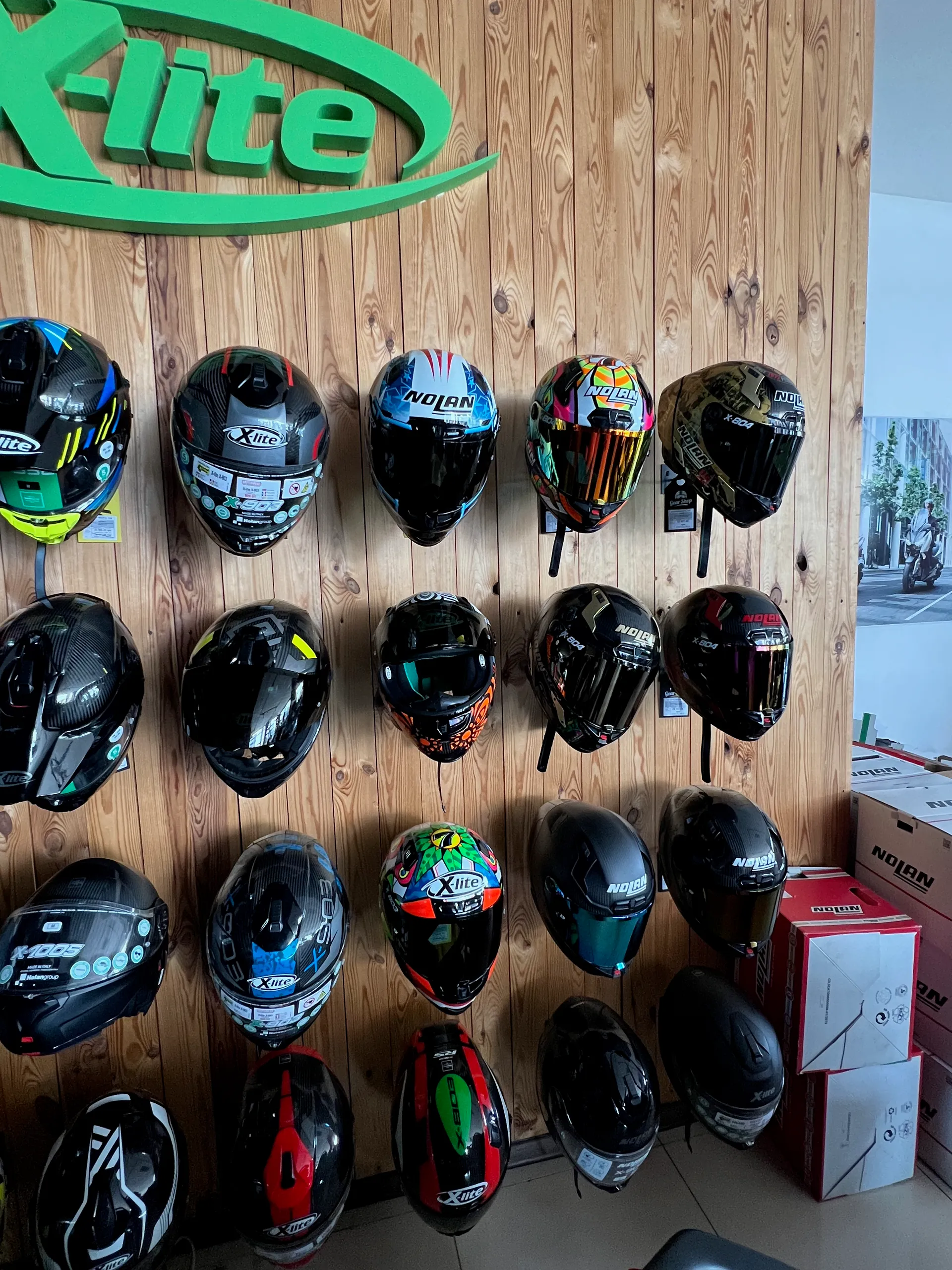
How to Choose a Motorcycle Helmet: Type, Size, Visor and Certification
I recommend a full face or modular helmet: a simple street model with a wide field of view and a clear visor, fitted to your head shape. Type, size, brands, visor, strap, certification.
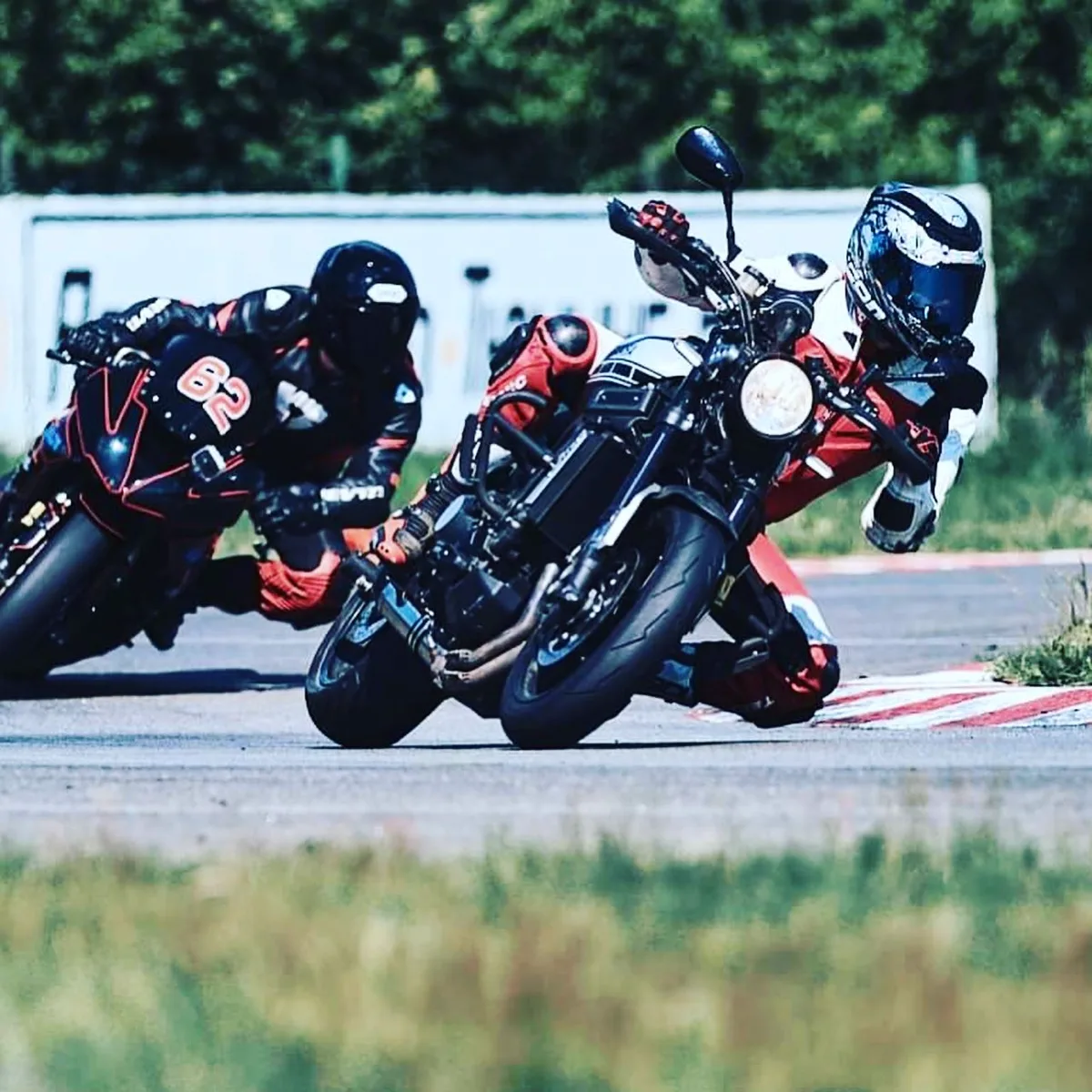
Why New Riders Crash in Corners—and How You Can Avoid Their Mistakes
Learn why new riders crash in corners and how to avoid their mistakes. Master leaning, trail braking, and wider lines to stay safe and in control on any curve.
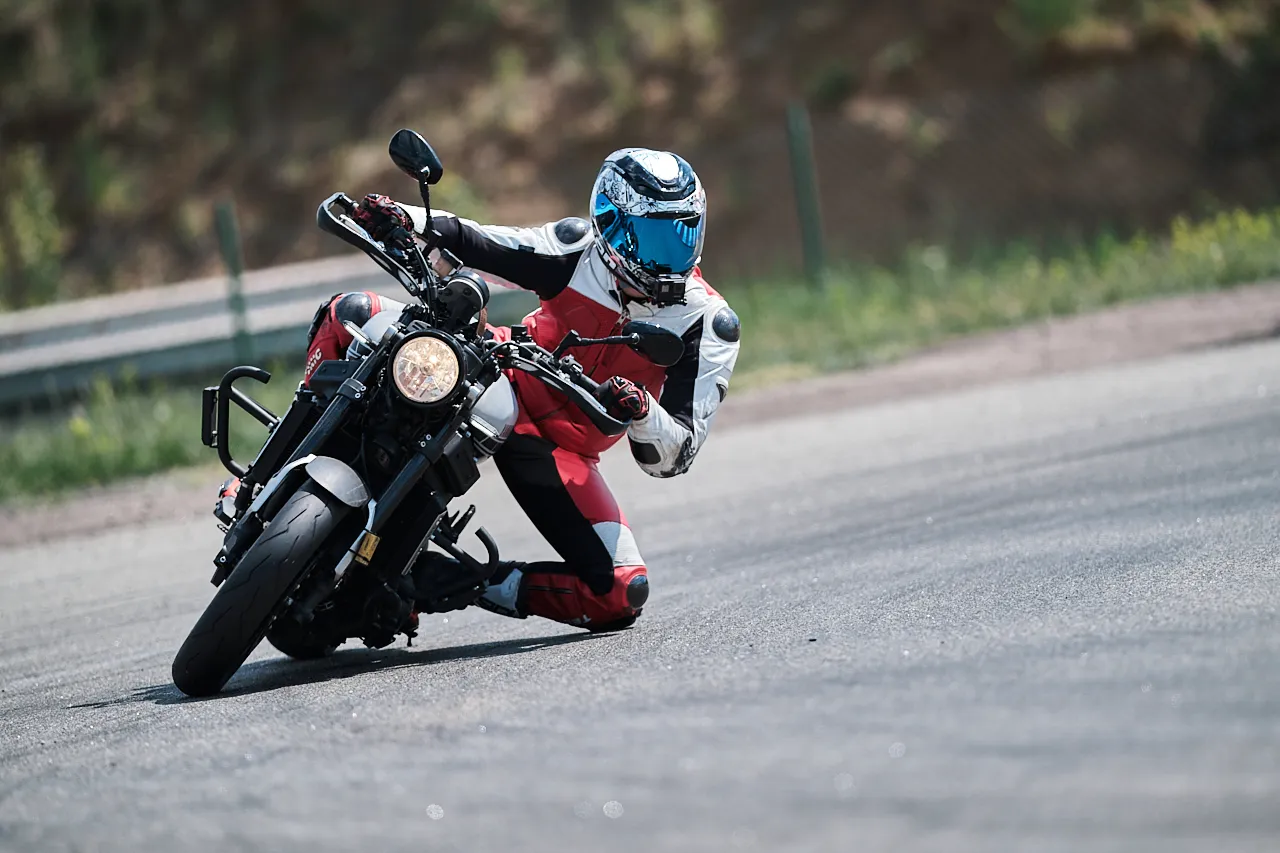
Why New Riders Fear Corners, and How I Got Over It
My first track day came in my seventh season. What the track, gymkhana and pit bikes taught me about leaning, and the mountain road where I nearly ran wide.
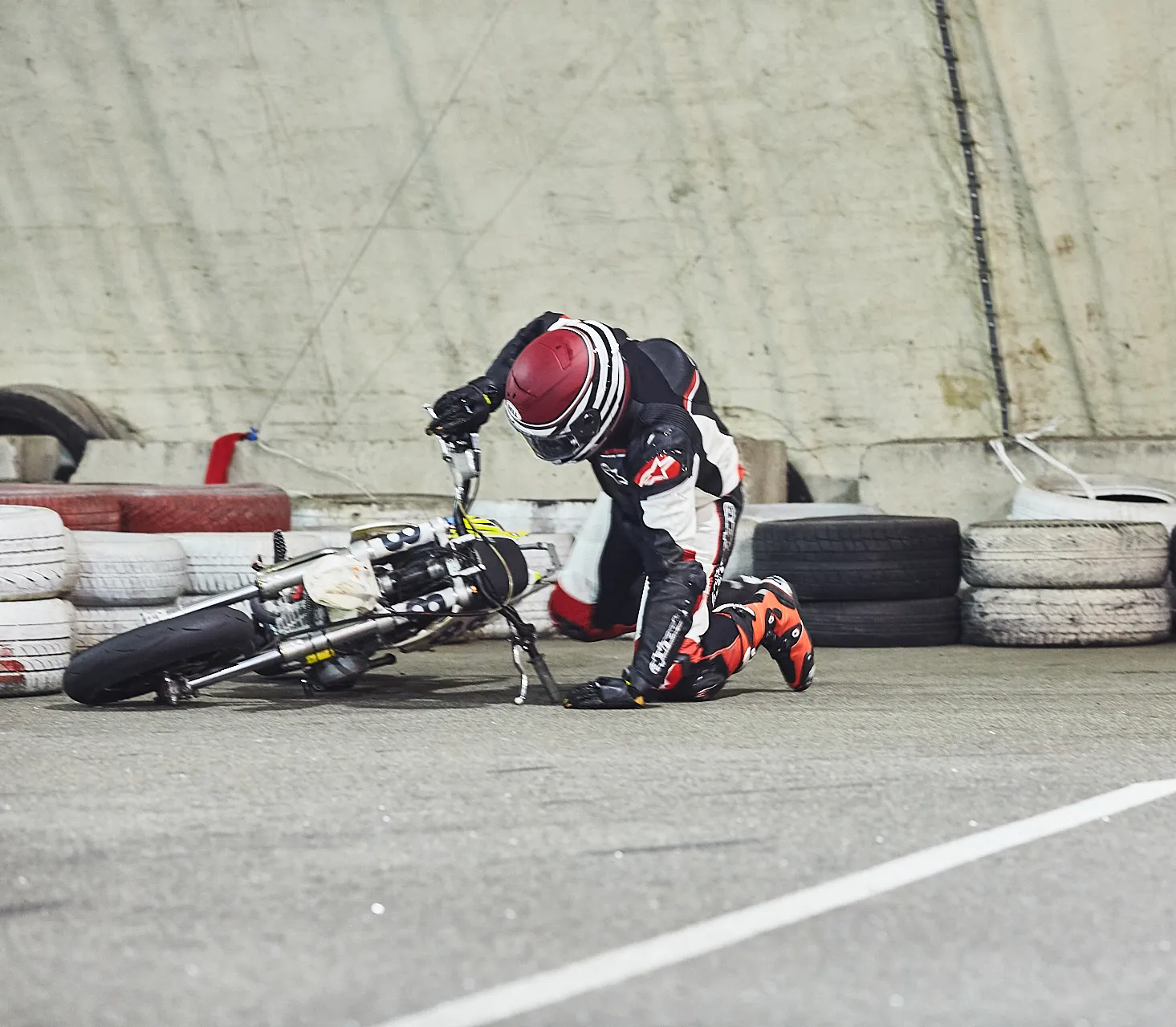
8 Braking Mistakes Most Riders Make (and How to Fix Them)
The 8 braking mistakes I see most often in crash footage, from a late reaction to turning the bars under hard braking, with a fix for each.
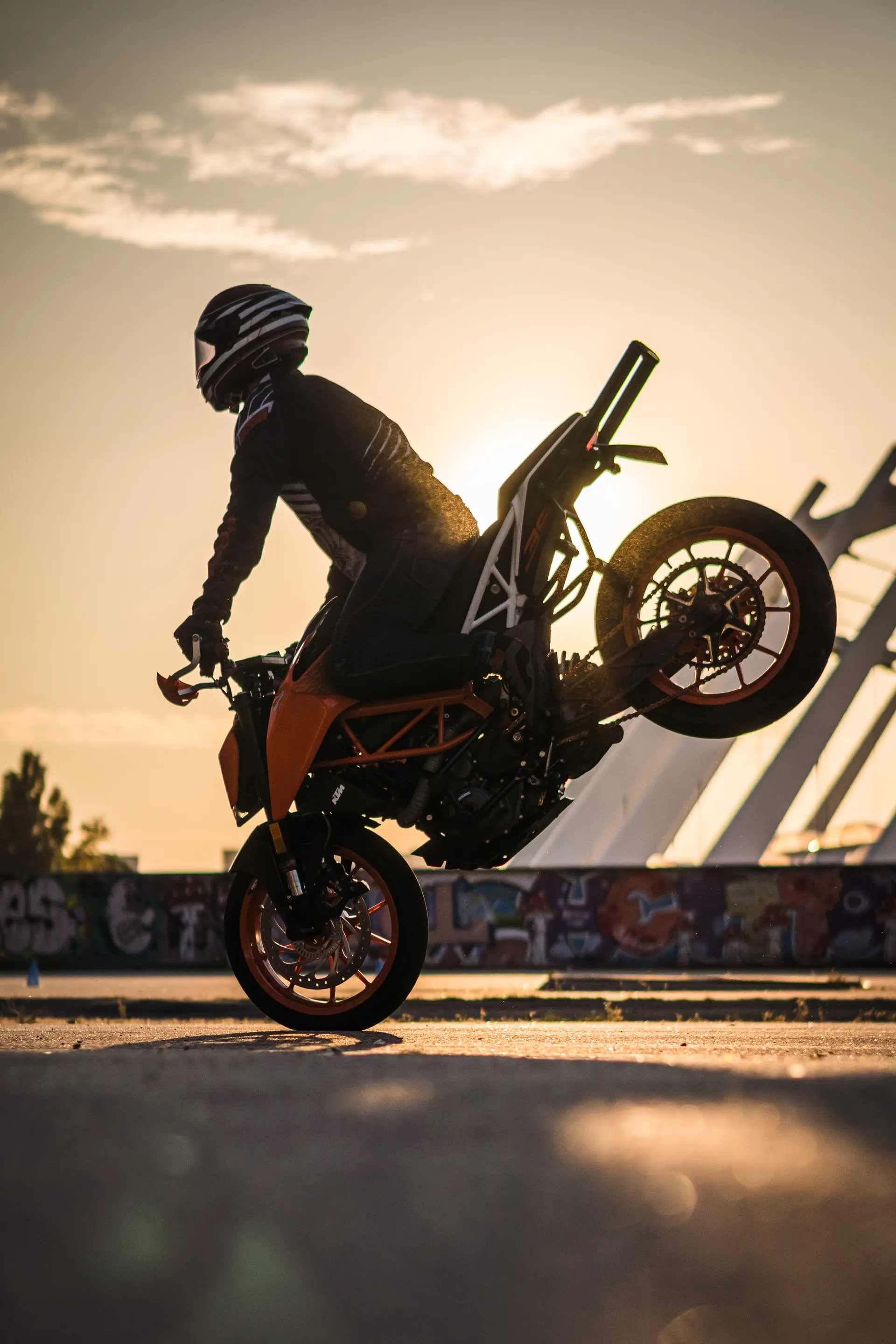
How to Emergency Brake a Motorcycle from 60 mph
How I brake in an emergency: two fingers on the lever, all focus on the front brake, clutch left alone. The full technique and how to practice it.