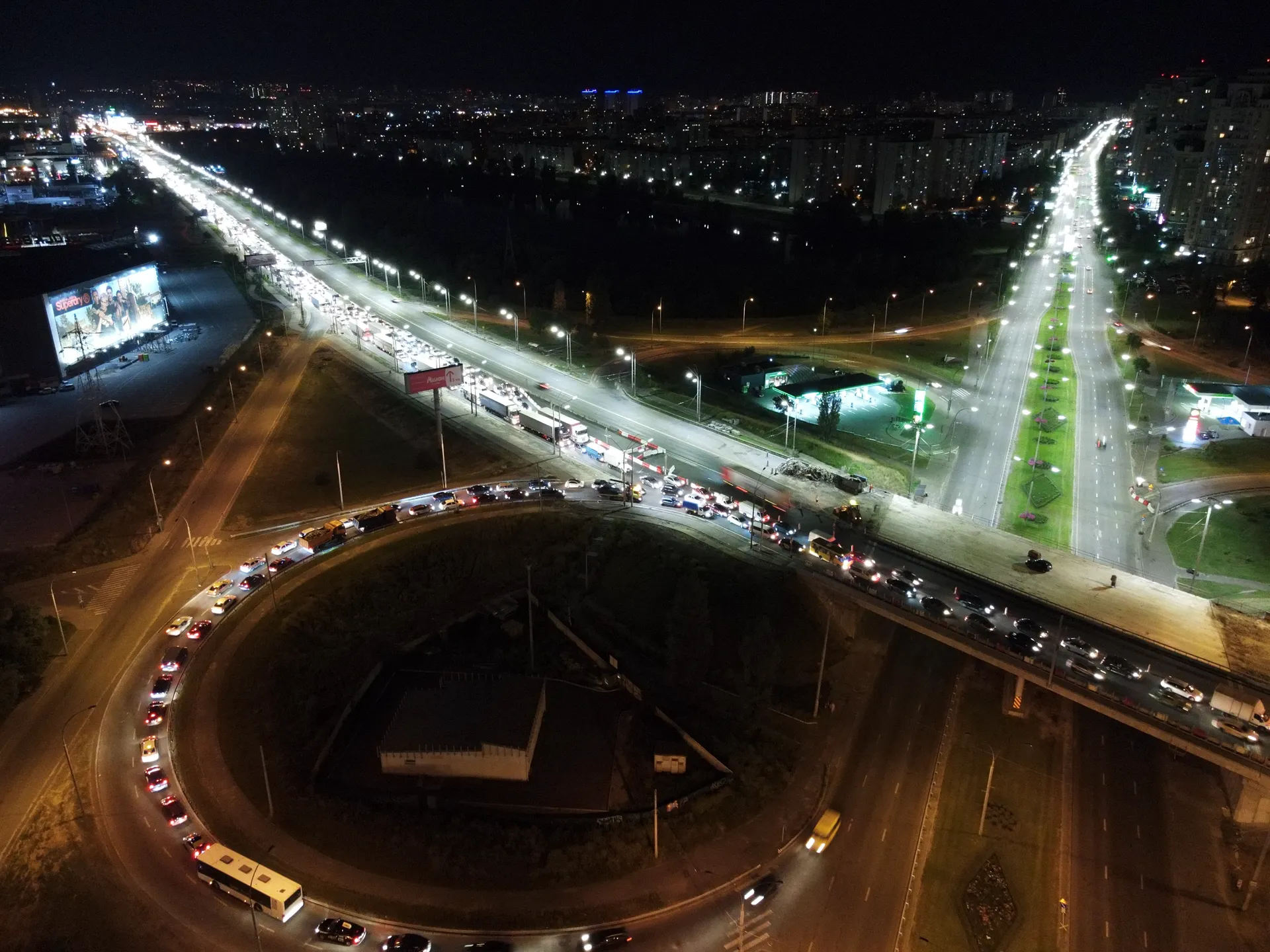
Danger Comes in Waves
Riding in the City: How to Spot Danger Waves Like a Pro
Danger in the city isn't spread evenly. It comes in waves: calm stretches, then a spike. Sometimes it's calm, and you're cruising with no issues. Other times, danger spikes out of nowhere. The trick? Learn to read the waves and adapt before it's too late.
The Problem: New Riders Miss the Waves
Here's the issue: most new riders treat every stretch of road the same. They don't realize that the level of danger is constantly changing. They ride through calm spots the same way they ride through high-risk zones—totally unaware.
Experienced riders know better. They've learned that the danger potential shifts depending on where you are and what's happening. They adjust their riding style to match, which keeps them ahead of the game.
What Creates Danger Waves?
Location
The biggest danger zones? Intersections and exits. In the MAIDS study of 921 motorcycle crashes in Europe, 54.3% happened at intersections. Why? Because this is where paths cross—cars, bikes, pedestrians, all moving at different speeds.
The worst collisions often happen at intersections, especially side impacts. These can lead to severe injuries like pelvic fractures or worse. Even if you're on the main road with a green light, you have to watch out for the one driver who'll blow through a red. It doesn't happen often, but when it does, it's a big deal.
Visibility and Predicting the Future
Every accident happens in the future—seconds or moments ahead. If you can't see clearly because of blockers (like trucks, buses, or even buildings), or if you're not thinking ahead, your risk skyrockets. Seeing the road and imagining how events might play out is critical to staying safe.
What Can You Do?
- Approach Danger Zones Differently
- Ease off the throttle.
- Downshift and start smooth engine braking.
- Get ready to either stop quickly or speed up if needed.
- Always look for hidden threats, even if you're on the main road with the right of way.
- Stop Riding on Cruise Control
A big rookie mistake is holding the same throttle through an intersection or an exit as on a clear stretch, like everything's fine. Coming up to a danger zone, I change my speed and get ready. This gives you more options when something goes sideways. - Train Your Vision and Prediction Skills
- Analyze the road ahead. Are there blockers? Blind spots? Anything you can't fully see?
- Visualize what could happen next. Ask yourself, “What's the worst-case scenario here?” and plan for it.
Why This Matters
When you adjust your riding to the “waves” of danger, you're playing a smarter game. You're not just reacting; you're staying ahead of risks before they happen. This is what I see experienced riders do, and new riders skip.
Read the waves, adapt, and ride smarter.
In the app: real city riding situations on video, with pauses and explanations, then recognition tests
App access opens in waves, in the order requests come in
Get early accessLiked it? Share with fellow riders
Read more
See Far Ahead: Where to Ride So You Can See What's Coming
Improve your motorcycle safety with the “See Far Ahead” principle. Learn how to position yourself for better visibility, anticipate hazards, and confidently navigate the road with fewer risks.
Why Motorcycle Crashes Feel “Sudden”
Sudden motorcycle accidents aren’t random—they’re predictable. Learn the key strategies to anticipate risks, avoid surprises, and ride safer with the “See Far Ahead” principle.
Lane Position: Why Riding in the Middle Is Dangerous
Why do novice motorcyclists stay in the middle of the lane, and why is it dangerous? Discover how proper lane positioning improves visibility, creates escape routes, and defends your safety on the road.
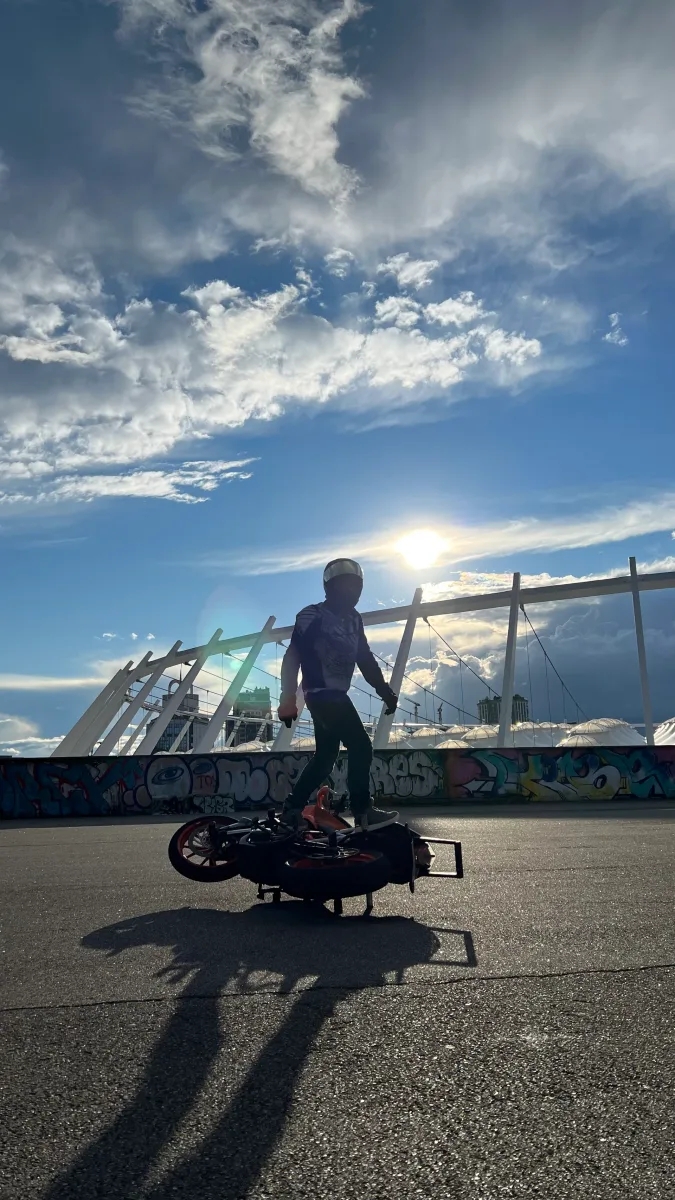
Reverse Timeline of a Motorcycle Crash
Accidents start long before impact. Break down the timeline of situations and learn to spot dangers in the early stages.
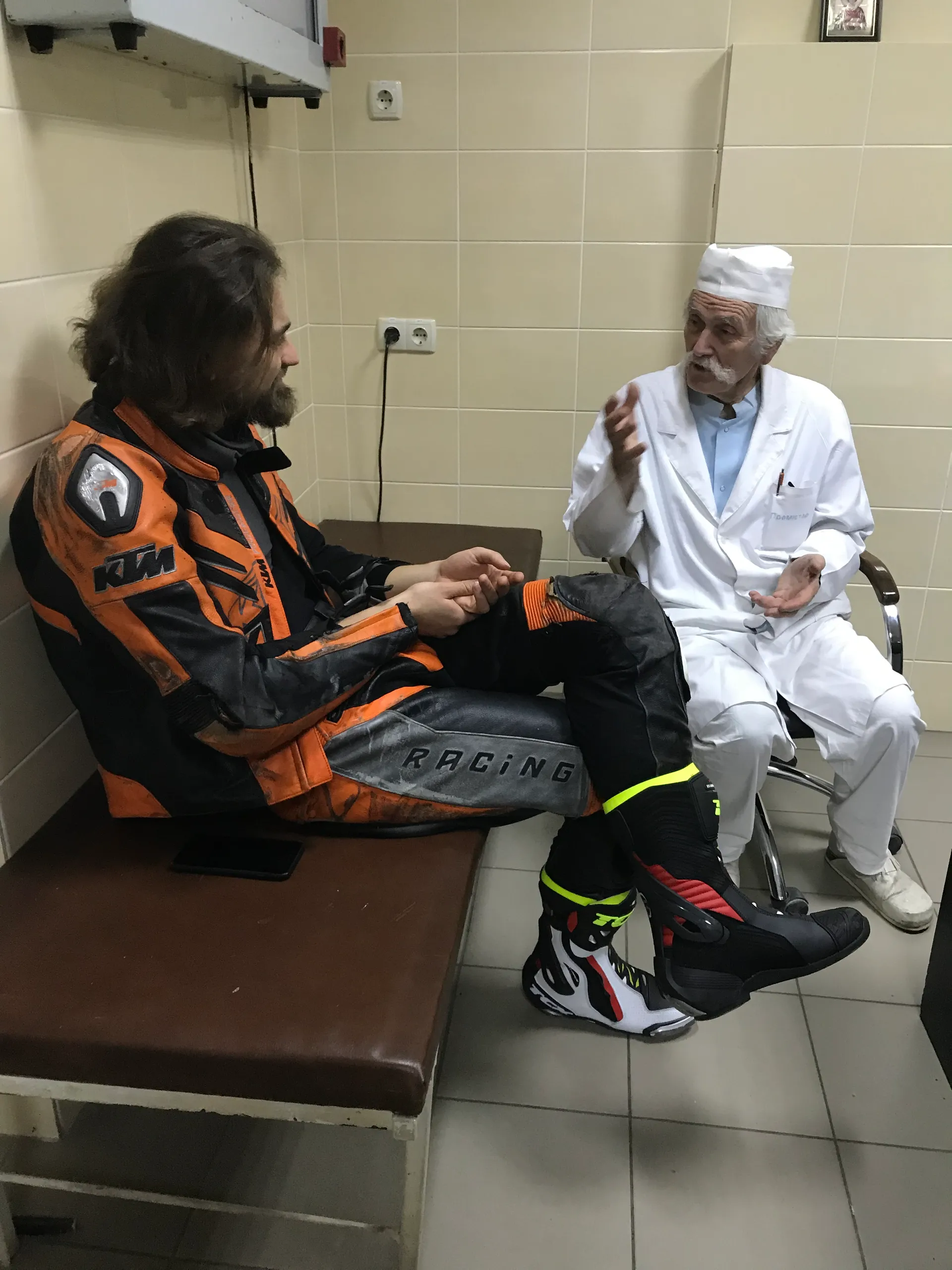
100% Responsibility
Who’s at fault in a motorcycle accident? It doesn’t matter when your safety is on the line. Why I think about responsibility, not fault, every time I ride.

Visibility Blockers: What You Can't See Past on the Road
Discover how everyday obstacles—trucks, tinted cars, or even your own visor—turn safe rides into sudden disasters. Learn the strategies to see further, react faster, and stay ahead of hidden dangers. Don’t let the road surprise you. Click to read more and ride smarter.