Why We Love Riding Motorcycles, Even Though It's Dangerous
My first trip to the Balkans, probably 2016. I'm still in the Carpathians, on a switchback road, riding faster and faster. I'd done a track day, after all.
Trucks keep coming the other way, traffic is heavy. I'm carrying more speed into every corner and leaning the bike further. And then I get a corner where the radius tightens.
I run wide into the oncoming lane.
One thought: “Well, that's it.” You don't even get to finish it. Just despair and sadness.
But I got lucky. Nobody was there.
After that I dialed my riding right back. I didn't quit, though.
Why do people ride motorcycles if it's so dangerous? For me a motorcycle has always been a balance of risk and fun. And it's about the fun first. The hard part is explaining that fun to someone who doesn't ride.
“Freedom” and “adrenaline” don't explain it
When I started riding, the first thing I felt was an incredible sense of freedom. No asking anyone for a lift, no squeezing onto public transport. You get on and go.
But that's about where you can get to. It doesn't explain why riding feels so good.
Adrenaline isn't the answer either. When you run wide in a corner, adrenaline locks up your whole body in an instant. You go rigid, your hands clamp down, and steering out of it is close to impossible. There's nothing enjoyable in that.
That leaves fun. Motorcycles are fun. They aren't about getting things done. And I'm not the only one who answers that way: in a 2023 survey by Transport for NSW, the transport agency of New South Wales, Australia, enjoyment was a reason to ride for 72% of 912 riders, and a reason to drive for 23% of 885 car drivers. The two groups were asked slightly different questions, so compare them with care.
You don't get it until you try it
I started riding after a guy I knew offered to take me out on the back of his Fazer 600. We did a loop around Obolon, a district of Kyiv. He explained nothing, and I had no idea how to hold on. And he took off fast straight away. I nearly went off the back.
Then he dove between the lanes of traffic. I was sure I was about to lose my kneecaps.
I hadn't had that much fun since I bungee-jumped off the bridge in Kamianets-Podilskyi. And I thought: if I buy a motorcycle, I can feel like this every day.
Two weeks later I bought one.
And then the big day came
It was a Kawasaki ZZR400. I never went to riding school. I spent two more weeks riding around an empty lot, and then the big day came.
I got up very early on a Sunday to ride through an empty city. I don't know why, but I put on full gear while I was still in the apartment. By the time I'd walked to the parking lot I was boiling.
I got on my bike and rode off. Out of Obolon and onto Stepan Bandera Avenue. Seven in the morning, Sunday. Not a soul on the street.
And I see a rider stopped on the shoulder, fiddling with something on his Honda Hornet. And I'd read about this: you see a rider on the shoulder, you stop and ask if he needs help.
Right turn signal. Clutch, down a gear. Clutch, down a gear.
He smiles and waves me on: keep going, all good. But I've already started the procedure. I pull up alongside him. Almost stopped. But not stopped yet.
And he holds out his hand. I shake it on autopilot.
Then: oh hell, I'm still moving.
I yank my hand back. But his grip is so firm that it pulls me toward him, and I simply start to fall. He tries to stay upright, loses his balance too and falls onto his own bike behind him. The bike goes over as well.
We all go down like dominoes.
The road is empty. I'm lying on top of the guy. The guy is in shock. I'm ashamed. I can actually feel myself turning red.
Somehow I climb off him. We pick up his bike and look it over. No scratches, as far as we can tell. In all that time the guy hasn't said a word.
Finally I work up the courage and ask: “So, uh, need any help?”
He looks at me: “No. Just go, please.”
I got out of there quickly. I made it as far as Hirka on Olena Teliha Street, and there I ran out of gas.
Falls like that are dumb, funny and pointless. What hurts is your pride and your self-esteem.
Later I gave a lot of people rides myself. Because sometimes you have to take a friend out on the back before they understand why you're so crazy about motorcycles. It's a kind of moto-vampire mission: bite as many people as you can with motorcycling. Words do a worse job. But I'll try.
Why riding calms me down: it's an emulation of life
Why does riding feel so good in the first place? I think it's because riding is an emulation of life.
You're moving through space and time. Everything around you flows toward you and past you. And that optic flow gives you a feeling of progress.
So you can be completely failing at life. But when you're riding, well, it looks like progress!
We're descended from hunter-gatherers, after all. We physically need to move forward. And that optic flow calms you down. OK, things are fine now.
So I think riding is a decent kind of therapy. Sometimes, when there's a problem or I'm sad and feeling low, I physically feel that I need to go for a ride. Because I'll either decide what to do about it, or accept that the bad moments are needed too.
There's a limit, though. If I feel bad emotionally, yes, I ride. But if I'm thinking poorly or my reactions are off, I never get on the motorcycle. Well, almost never.
That's my experience, not advice for a new rider.
A walk is a sedative on the lowest setting. A motorcycle is a stronger dose. And a motorcycle trip is one long stretch of progress.
But a motorcycle is also monkey joy
A motorcycle has something a walk doesn't: acceleration and corners. That's a monkey thing. Swinging from branch to branch. Fun the way monkeys have fun.
At some point a child starts dropping things on the floor. Cats knock everything off the table too. I used to wonder why they do it. Then it clicked. They're playing with gravity.
I like playing with gravity too.
The first game like that is opening the throttle on a straight. It's the first pleasure a new rider understands. New riders usually think it's the only one.
But even a 150 or a 400 cc motorcycle can give you gravitational pleasure. I've owned about 20 motorcycles. The one I enjoyed most and learned most on was the small, light Duke 390.
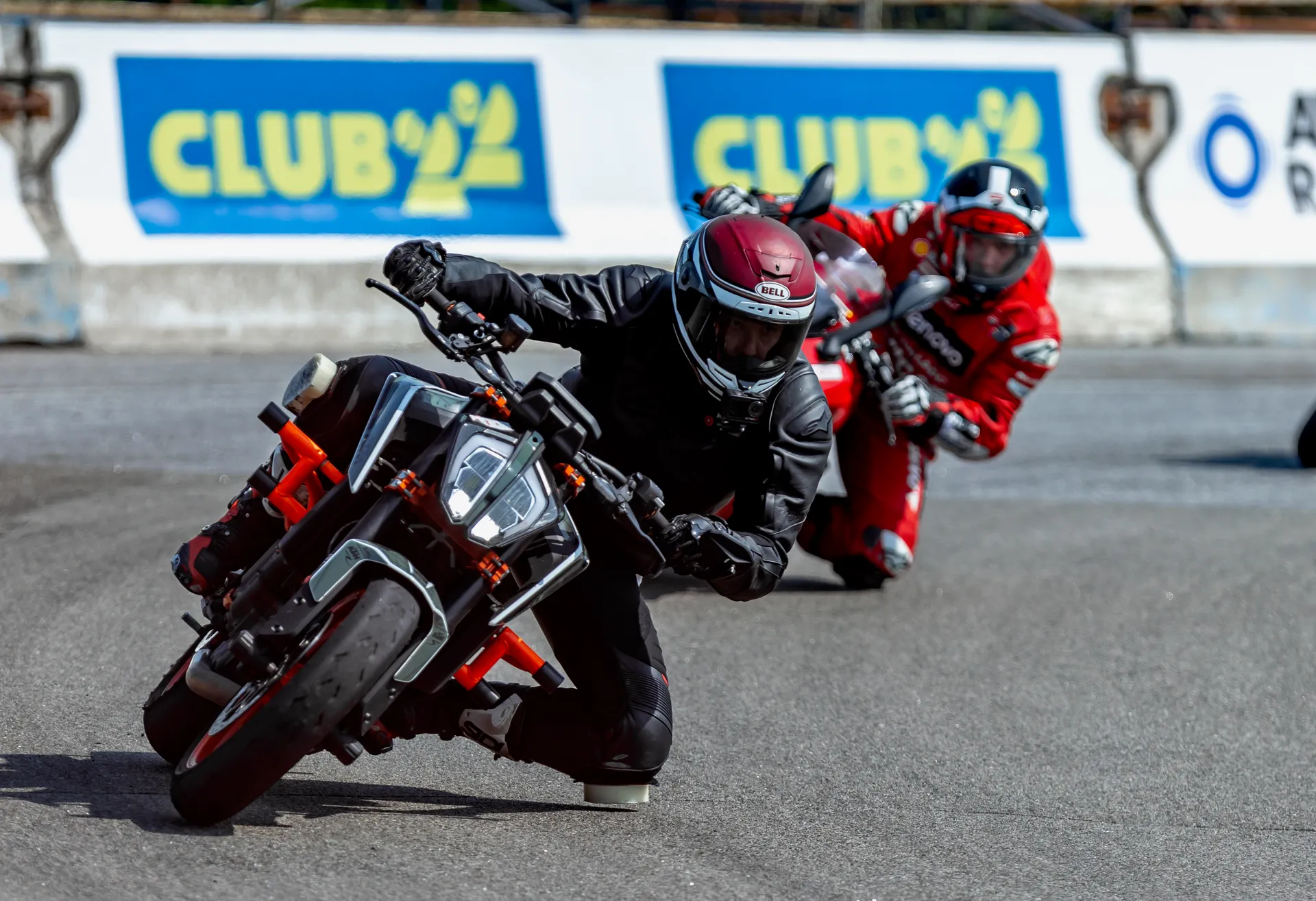
And then came my first track day. I'd scrounged up a set of leathers somewhere and asked silly questions, like how to overtake properly. For the record, I didn't overtake anyone. But I tried to go faster and leaned the bike further. Far enough to scrape the centerstand on the asphalt.
And it turned out that corners feel good. Really good. Same motorcycle, and the range of pleasure suddenly got much wider.
It's as if you'd washed in cold water your whole life. And then one day you tried hot. Same water. But so much more enjoyable. And until you try it, you don't understand a thing. It's the same water, what's the big deal.
In a good corner your legs are gripping the bike while your upper body is loose and leaning into the turn. You're focused, tense and relaxed all at once. And smiling inside your helmet.
But my head is working the whole time: flow state on a motorcycle
Focused and relaxed at once is easy to confuse with “I don't think on the bike, I'm just in the here and now”. To my mind that's nonsense.
While I ride, I'm very quickly collecting versions of a bad future so that I don't end up in one. And that mental work is so intense that it's the only thing I concentrate on.
I'm not thinking about my job. I might not notice a friend walking down the road. It's a kind of dynamic chess, where you can calculate one second ahead at first, then two, then more.
But it works a little differently than it seems. On a long highway or on a trip, it's a journey into yourself: you hang in the unknown, with no time and no space. In the city or on a switchback it's very intense work, controlling the bike and predicting traffic.
Both are meditation, just different kinds. And both are a flow state. Intense work is, in essence, meditation too.
The psychologist Mihaly Csikszentmihalyi gave the name flow to the state of being fully absorbed in what you're doing. In his TED talk he names three conditions for flow: a challenge that matches your skills, a clear goal, and immediate feedback on every action. On a motorcycle I recognize all three. That's my own observation; the research doesn't claim it.
As for the relaxed part, people have tried to measure it. In 2019, UCLA researchers released the results of their measurements: more than 50 riders rode for about 20 minutes. Their stress markers (cortisol) were 28% lower during the ride than at rest. The researchers described the brain state as relaxed awareness. The study was paid for by Harley-Davidson, the sample was small, the ride was short, and it says nothing about crash rates.
Because there's no such thing as “safe”
Why work your head that hard? Because experienced riders know how fast everything can change.
I don't call motorcycling safe: there's no such thing as “safe”.
Motorcycling is like life. A game of life. And for me personally, it's also about love.
It's very easy to get carried away. There's definitely the falling in love. Then love. Then attachment. And pain will come too.
I mean that you fall, get scraped up, break a leg or something like that. It comes with being a motorcyclist.
There's an idea from the book “Red-Blooded Risk”: you have to tell risk from danger. Risk is a chance to win something valuable. With danger, the payoff is small or there isn't one. Risk is worth taking in the right amounts, and danger is worth avoiding.
So the fun grows with the skill
The more skill I have and the more experience I carry, the more risk I can tolerate. And the more fun I can afford at relatively little risk.
For many riders, lane splitting is stress. For an experienced rider it's a game you enjoy.
I bought a new Tracer 900 and showed up at a gymkhana lot. And it wasn't that I posted a bad time. I couldn't get through the course at all without putting my feet down.
In one month of gymkhana I learned more than in the ten years of city riding before it. That's where I really started to understand lean angle. And line. Then came pit bikes, which turned out to be a “hidden moto pleasure”. And drifting: the dumbest and most fun thing I've tried on a motorcycle.
The same switchback
Now, back to that corner in the Carpathians.
On a track or at gymkhana I can ride at the limit. On the road and on a switchback I have to ride with enough margin to make it through whatever changes. To make it through a thousand times without a fall. Because on the road I can end up in the oncoming lane, and oncoming traffic will end my riding.
And I want to play with gravity for a long time. Because playing with gravity is very, very fun.
Where to train that skill
Spotting a threat earlier is a skill too. And the saddle isn't the only place to train it. In the Nebachiv app I break down real crash videos, and in the crash-prediction game you practice spotting the threat on real footage. My guide is there too.
I want to help you build a future where you ride, enjoy your motorcycle and see a lot of beauty around you.
Have a good day, and plenty of gravitational pleasure.
FAQ
Why do people ride motorcycles if it's so dangerous?
Because riding is enjoyable: forward motion, acceleration, corners. For me it's a balance of risk and fun. I take risk in the right amounts and try to avoid danger. With skill, there's more fun to be had at relatively little risk.
Does riding a motorcycle relieve stress?
Moving forward calms me down, even though my head is working hard the whole ride. In a 2019 UCLA study paid for by Harley-Davidson, stress markers in more than 50 riders were 28% lower during a 20-minute ride than at rest. The sample was small.
Is riding a motorcycle relaxing?
For me it's relaxing and intense at once. In a good corner I'm focused, tense and relaxed together, and my head is busy predicting traffic. On a long highway it's closer to a journey into yourself. If I'm thinking poorly or my reactions are off, I don't ride.
Sources
- Mihaly Csikszentmihalyi, “Flow, the secret to happiness”, TED2004: ted.com
- Vaughn D. A. et al., “Modulation of attention and stress with arousal: The mental and physical effects of riding a motorcycle”, Brain Research, 2021 (UCLA; funded by Harley-Davidson): PubMed
- Transport for NSW, “Motorcyclist Attitudinal Research”, 2023: transport.nsw.gov.au
App access opens in waves, in the order requests come in
Get early accessLiked it? Share with fellow riders
Read more
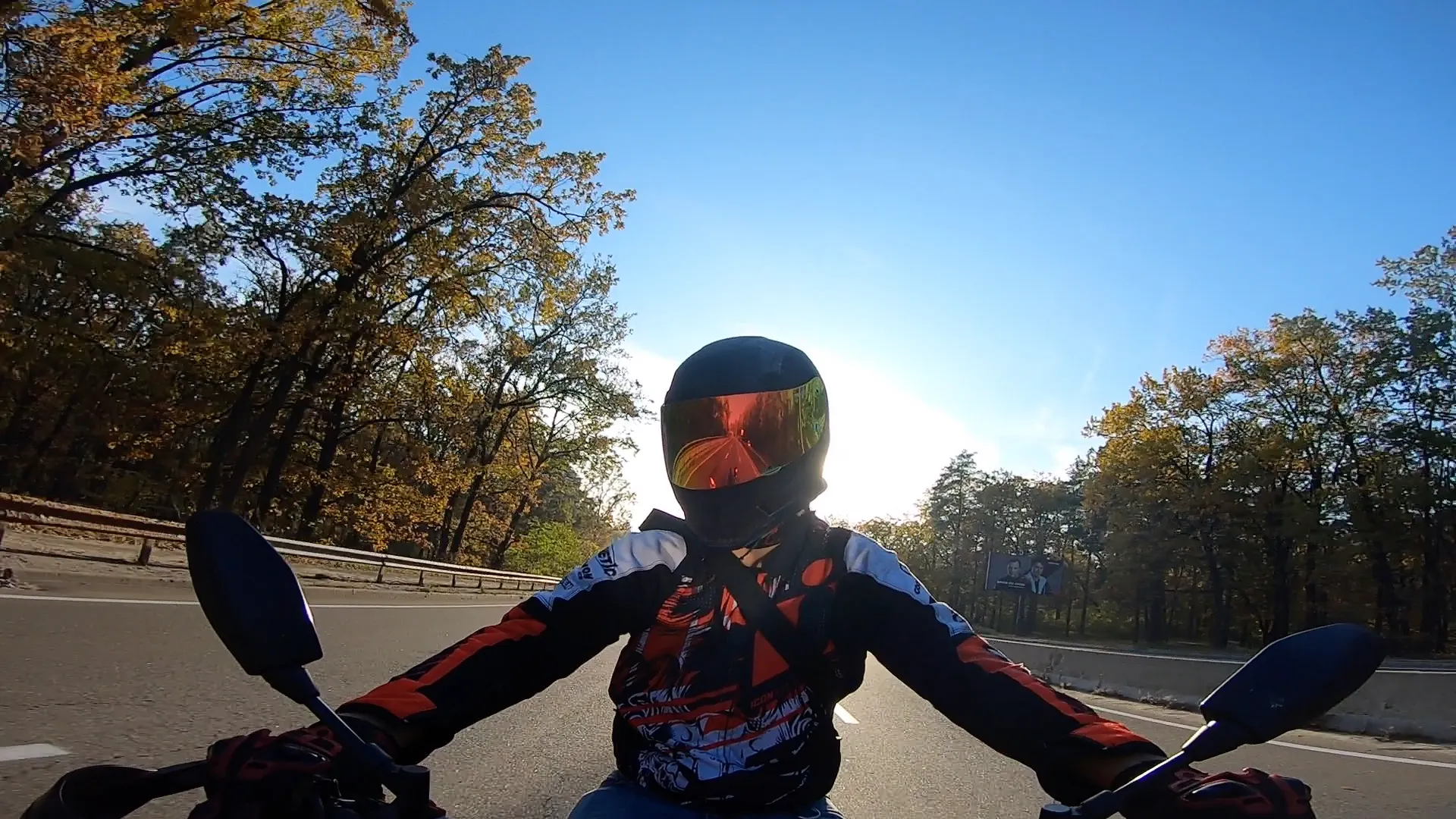
See Far Ahead: Where to Ride So You Can See What's Coming
Improve your motorcycle safety with the “See Far Ahead” principle. Learn how to position yourself for better visibility, anticipate hazards, and confidently navigate the road with fewer risks.
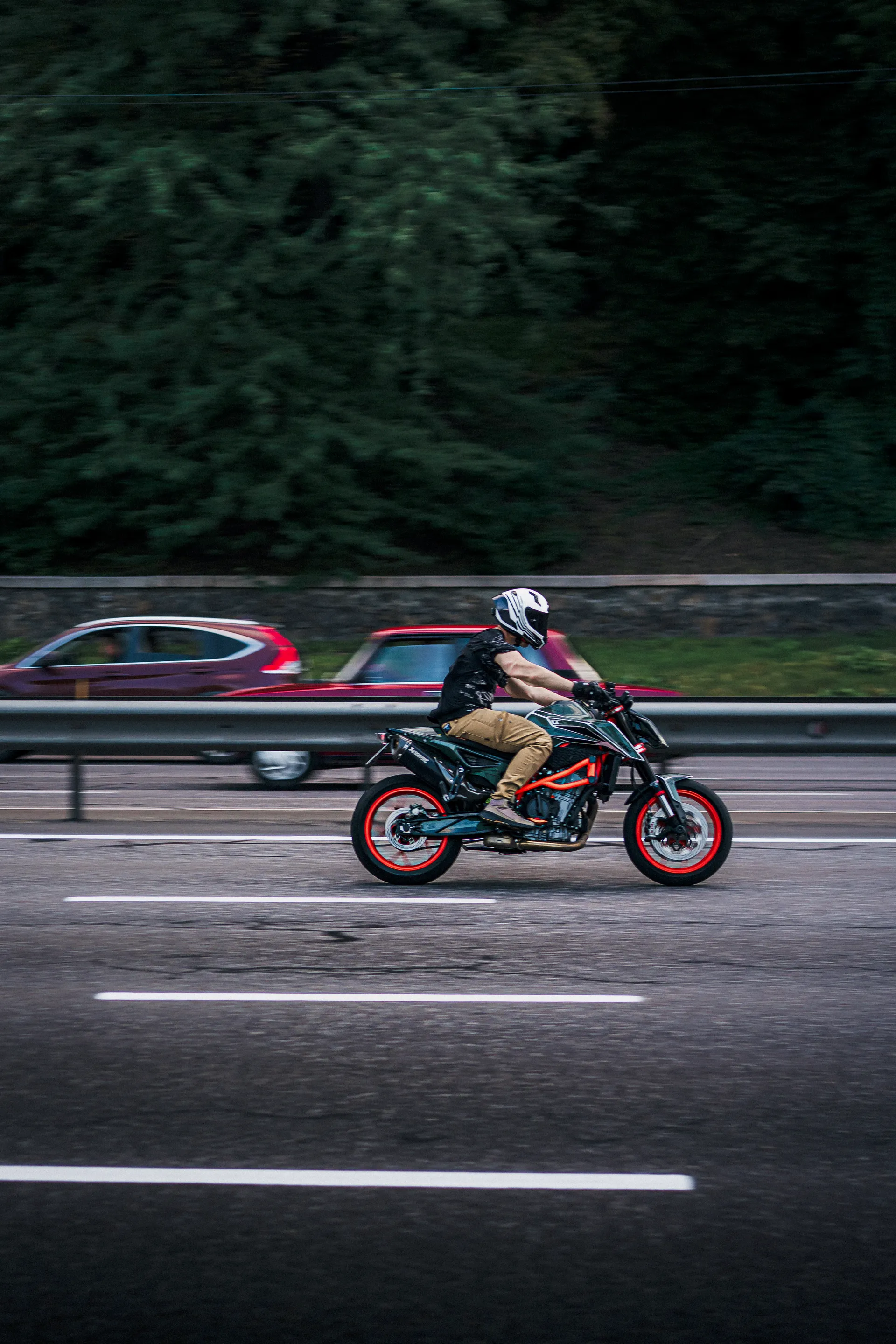
Why Motorcycle Crashes Feel “Sudden”
Sudden motorcycle accidents aren’t random—they’re predictable. Learn the key strategies to anticipate risks, avoid surprises, and ride safer with the “See Far Ahead” principle.
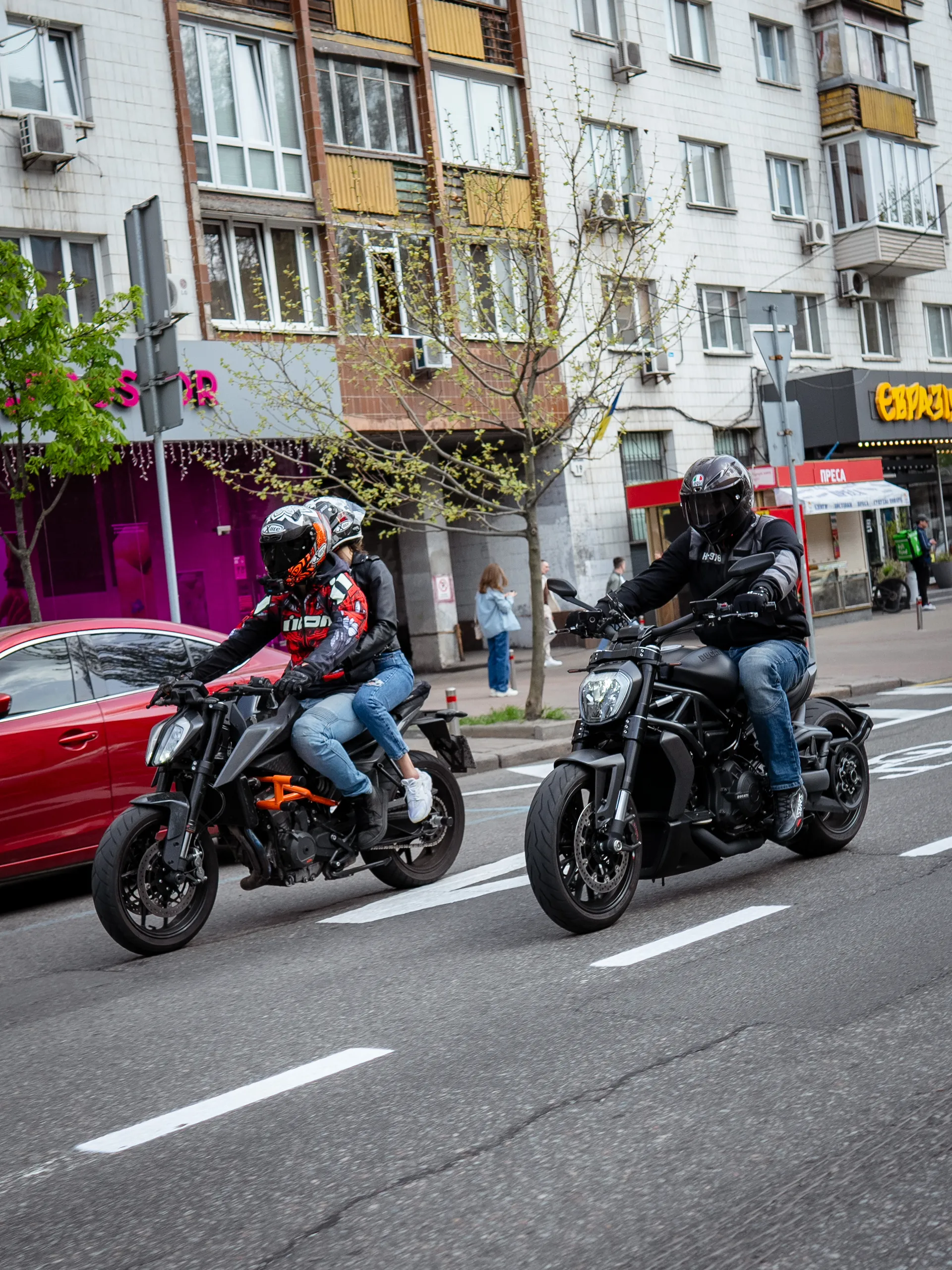
Lane Position: Why Riding in the Middle Is Dangerous
Why do novice motorcyclists stay in the middle of the lane, and why is it dangerous? Discover how proper lane positioning improves visibility, creates escape routes, and defends your safety on the road.
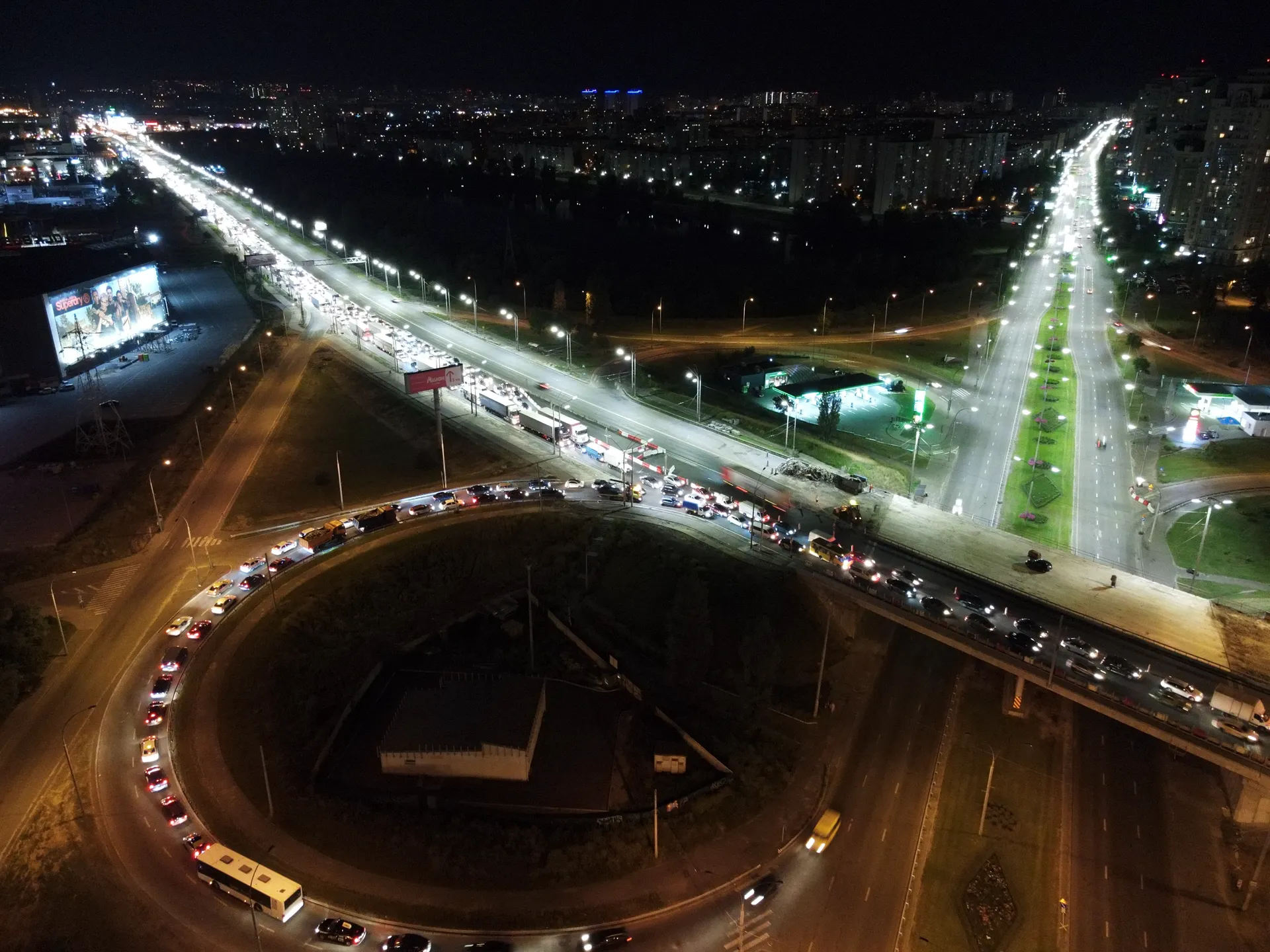
Reverse Timeline of a Motorcycle Crash
Accidents start long before impact. Break down the timeline of situations and learn to spot dangers in the early stages.
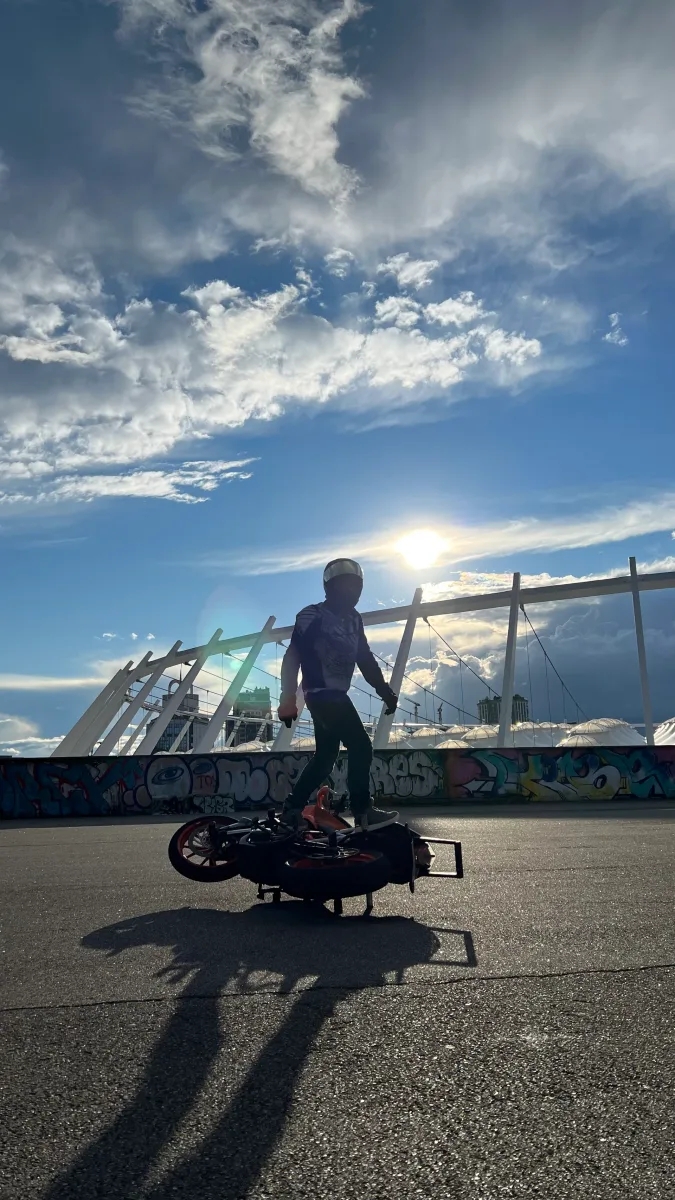
Danger Comes in Waves
Threats build up like waves. Learn to identify dangerous areas, adjust speed, and minimize risks effectively.
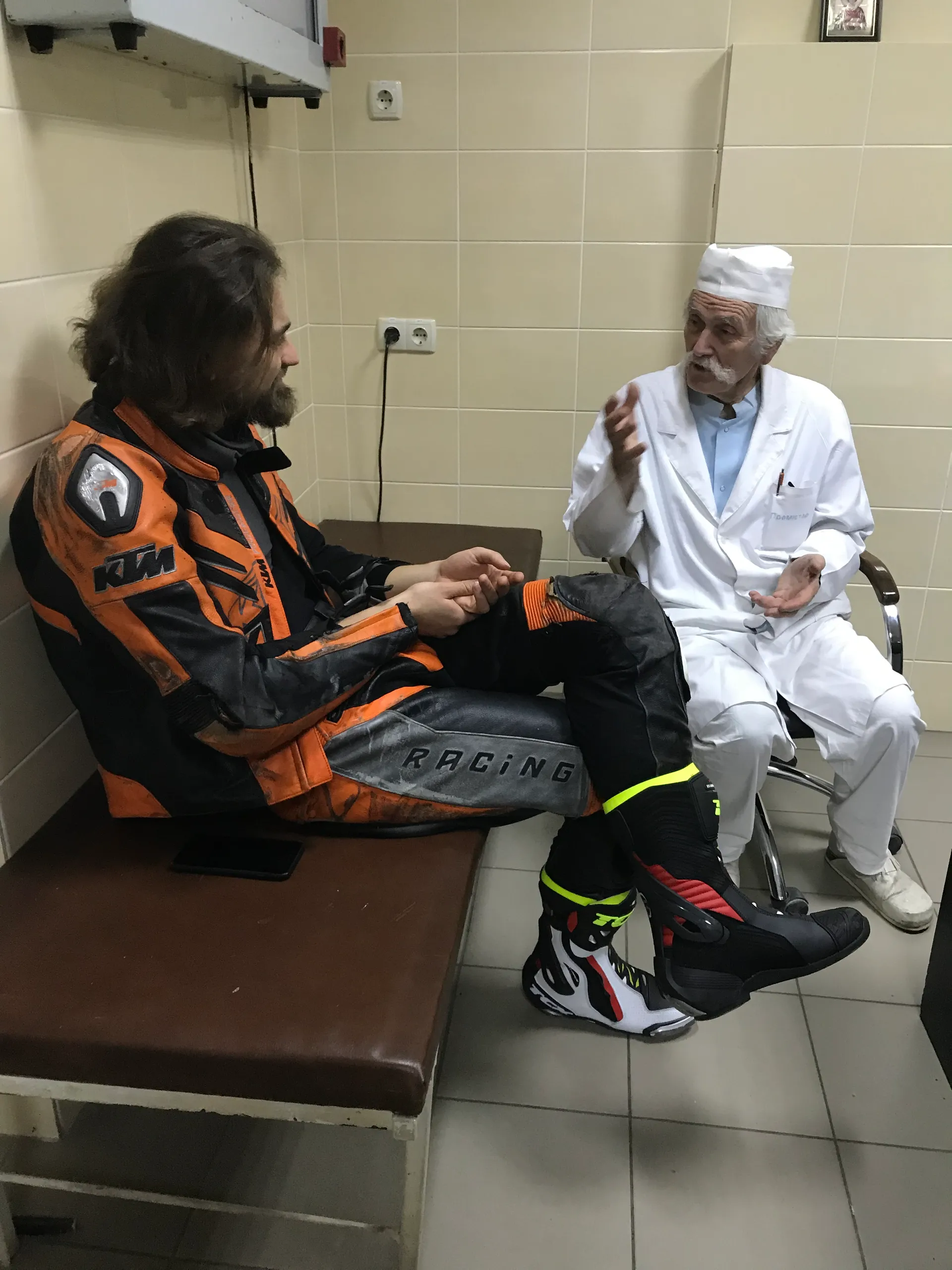
100% Responsibility
Who’s at fault in a motorcycle accident? It doesn’t matter when your safety is on the line. Why I think about responsibility, not fault, every time I ride.