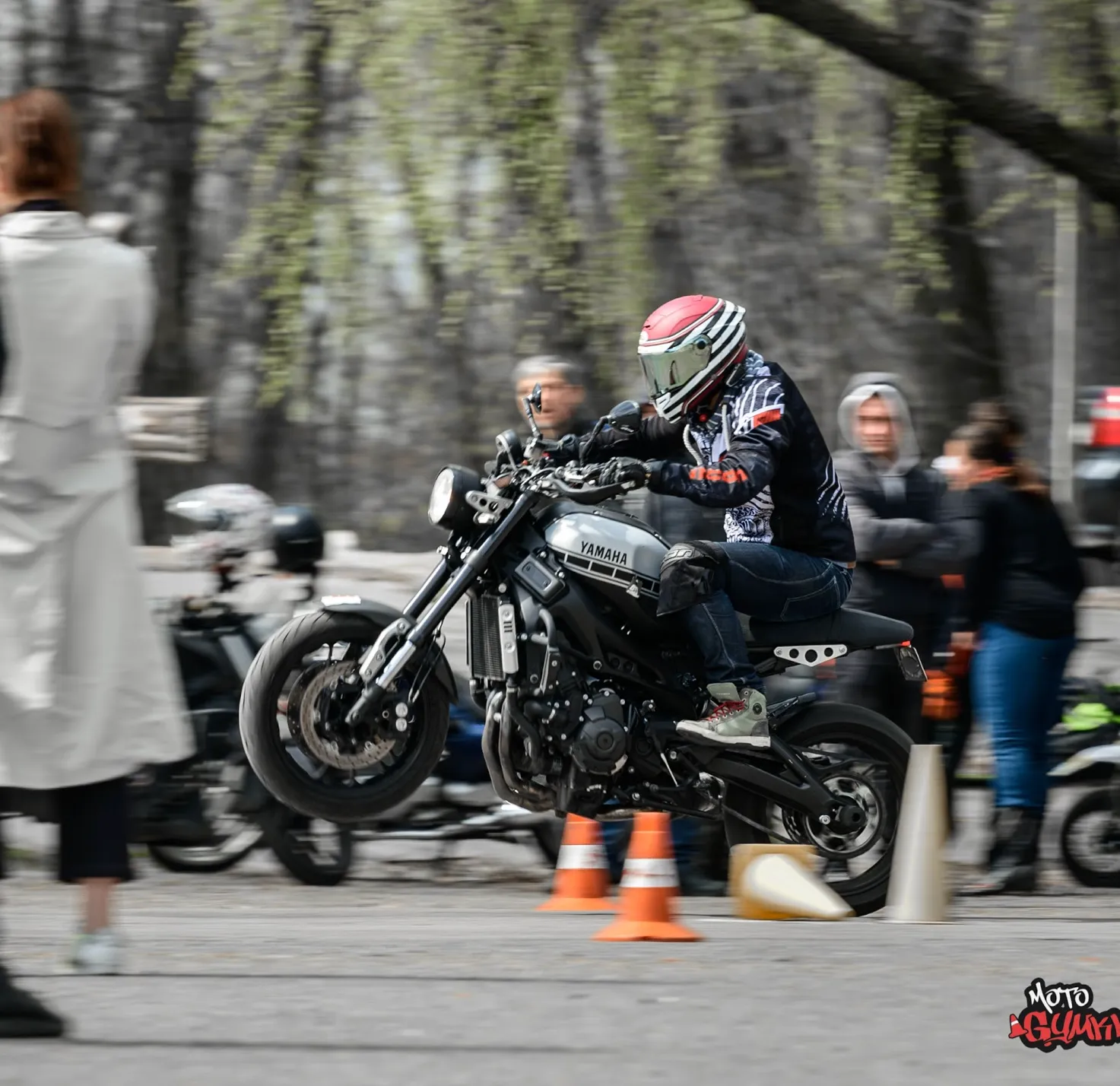
Critical Motorcycle Skills That Could Save Your Life
Four skills I think every city rider has to practice: emergency braking, slow-speed balance, braking while turning, and cornering. What each one is and where to start.
You think you have it all under control — until your first emergency stop, a sudden obstacle mid-corner, or your first time threading through traffic. You ride for years feeling invincible. But when real danger shows up — will your skills save you?
Strategy vs. Skills: What's More Important?
Strategy is your plan to avoid danger.
Skills are your only way out once danger is unavoidable.
Riding a motorcycle isn't about flashy tricks, wheelies, or scraping pegs in corners. It's about surviving in unpredictable environments where distracted drivers, poor road conditions, and split-second decisions define your fate. To ride smarter, you need a “Road Strategy”:
- Anticipate threats before they become real problems.
- Leave room for error with speed, distance, and trajectory.
- Ride your own ride without being swayed by others' pace or style.
- Never stop learning—every training session sharpens your edge.
But when strategy fails, technical skills are what will save you.
The Must-Have Motorcycle Skills
1. Emergency Braking in a Straight Line
This is your #1 survival skill.
Most riders assume they're good at braking but never train for it. Can you confidently say how many feet it takes to stop from 60 mph?
Many riders know they can hit 60 mph in 3-4 seconds. But stopping? Most don't have a clue. Start practicing to shorten your stopping distance: How to emergency brake a motorcycle.
2. Slow-Speed Riding and Balance
City riding is mostly maneuvering: lane splitting, narrow streets, stoplights.
Balance improves noticeably in 2–3 weeks of practice, yet most riders skip it. Master this, and you'll glide through tight spots effortlessly. More: Common lane-splitting mistakes.
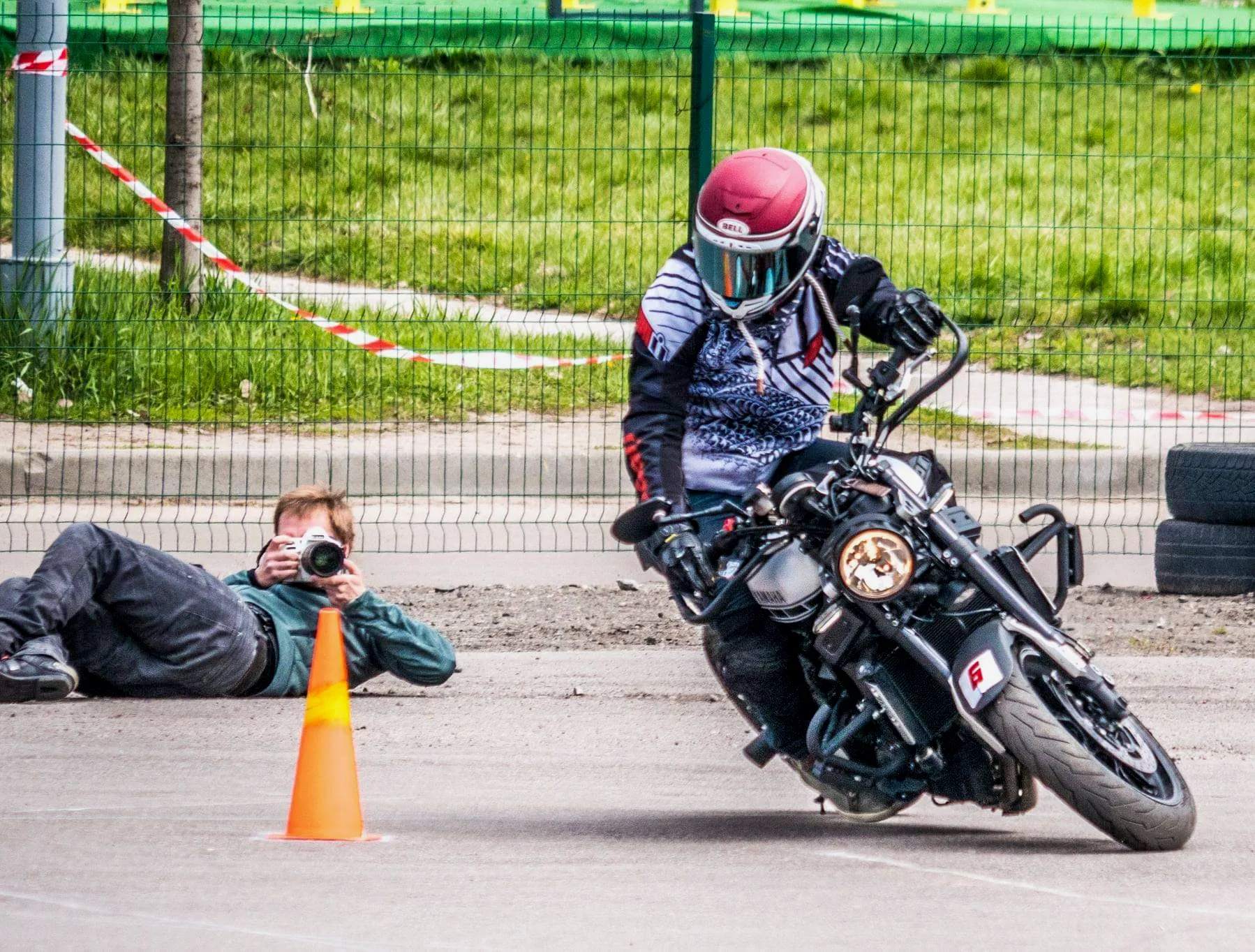
3. Braking While Maneuvering
Stopping isn't always enough. Sometimes, you need to brake and steer simultaneously to avoid an obstacle.
This is where trail braking comes into play. It's a challenging skill but one that's absolutely essential for critical situations. More: Trail braking.
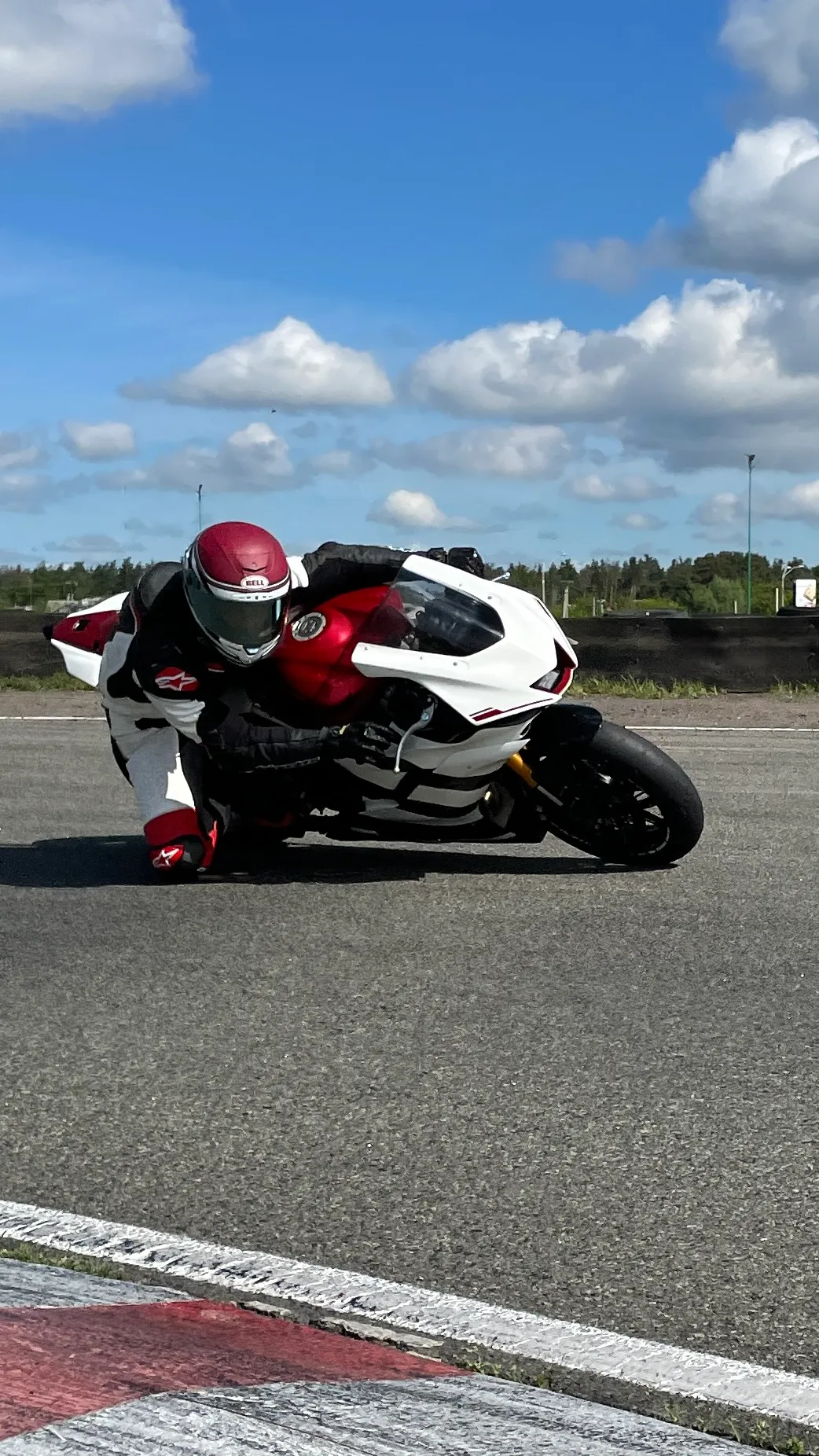
4. Cornering and Leaning
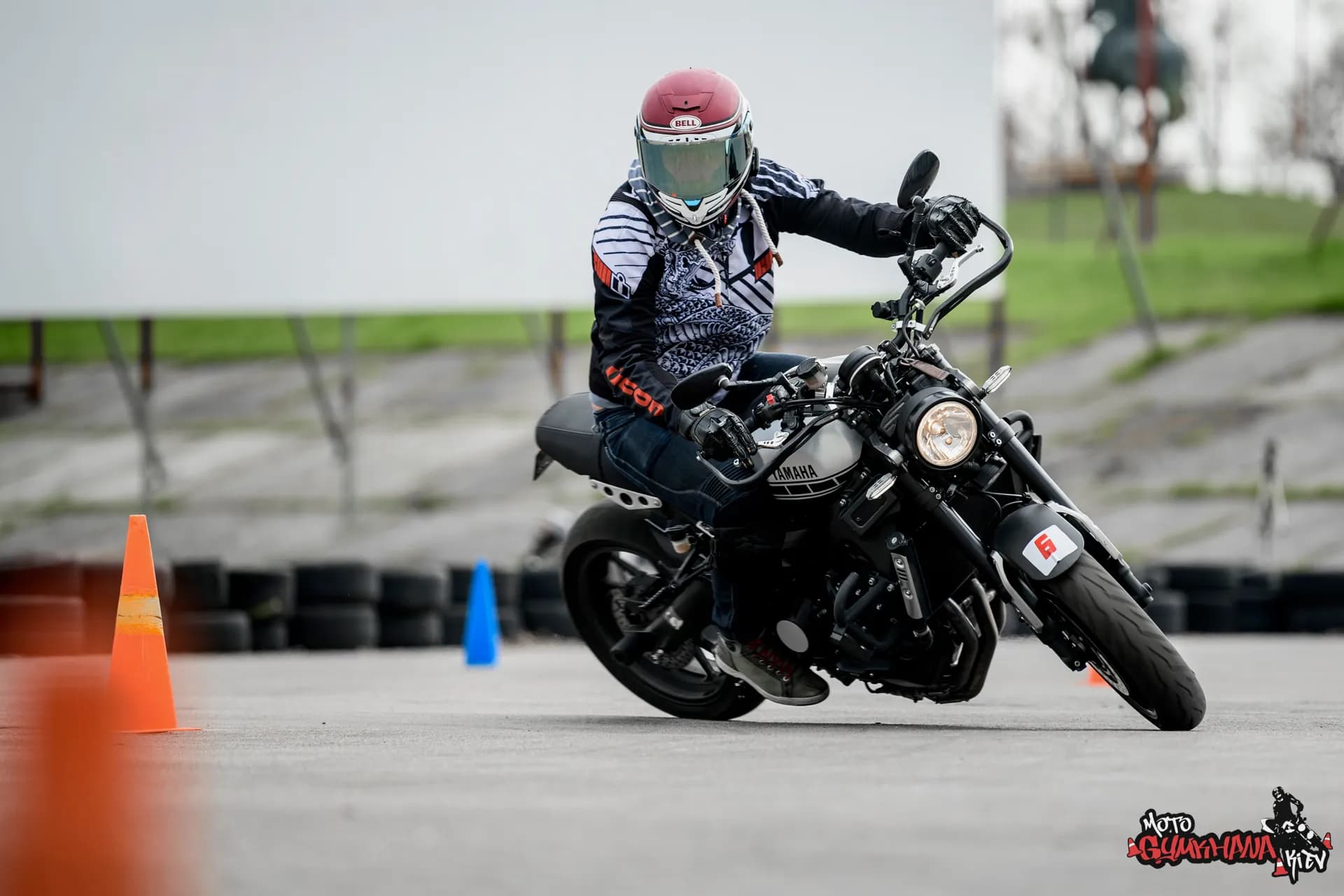
Every beginner fears leaning the bike, and that's okay. But fear shouldn't set your limits. With proper training, you'll learn how to approach corners, manage speed, and master your bike's lean angle.
Find a track or safe area to explore your bike's capabilities and push those limits in a controlled environment. More: Why new riders fear corners.
How These Skills Will Transform Your Riding
- You'll feel more confident, no matter the situation.
- You'll have more options when things get tight.
- Your rides will become enjoyable instead of stressful.
What to Do Right Now
- Find a training space: A safe parking lot or a track is ideal.
- Master emergency braking: Gradually shorten your stopping distance.
- Learn trail braking: Use it to navigate corners and obstacles smoothly.
- Take your time: Ride at a pace that matches your skill level.
- Stay alert: Spot potential threats before they become dangerous.
FAQ
What are the most important skills for motorcyclists?
Emergency braking, balance, trail braking, and cornering.
How do I learn to brake on a motorcycle?
Practice in a controlled environment, progressively reducing your stopping distance.
What is trail braking, and why is it important?
A technique for smoothly braking in turns to maintain control and adjust your trajectory.
How can I avoid motorcycle incidents?
Anticipate hazards, maintain a safety margin, and master essential skills like emergency braking.
How do I improve slow-speed control on a motorcycle?
Practice balance and maneuvering in tight spaces to build confidence.
Why do beginners fear leaning in corners?
A lack of experience and understanding of their bike's grip limits leads to hesitation.
How can I make riding safer?
Train key techniques, maintain awareness, and ride within your limits.
Where should I train my motorcycle skills?
A track, empty parking lot, or a motorcycle safety course.
What's the best way to prepare for urban riding?
Focus on slow-speed control, braking, and situational awareness.
Is strategy or skill more important for riders?
Strategy helps you avoid danger, but skills get you out of it when avoidance isn't enough.
Rear Brake on a Motorcycle: When and How to Use It
For me the rear brake is a tool for the city, low speed and slippery surfaces. In an emergency stop on dry pavement I take my foot off it. Why, and how to set up the pedal.
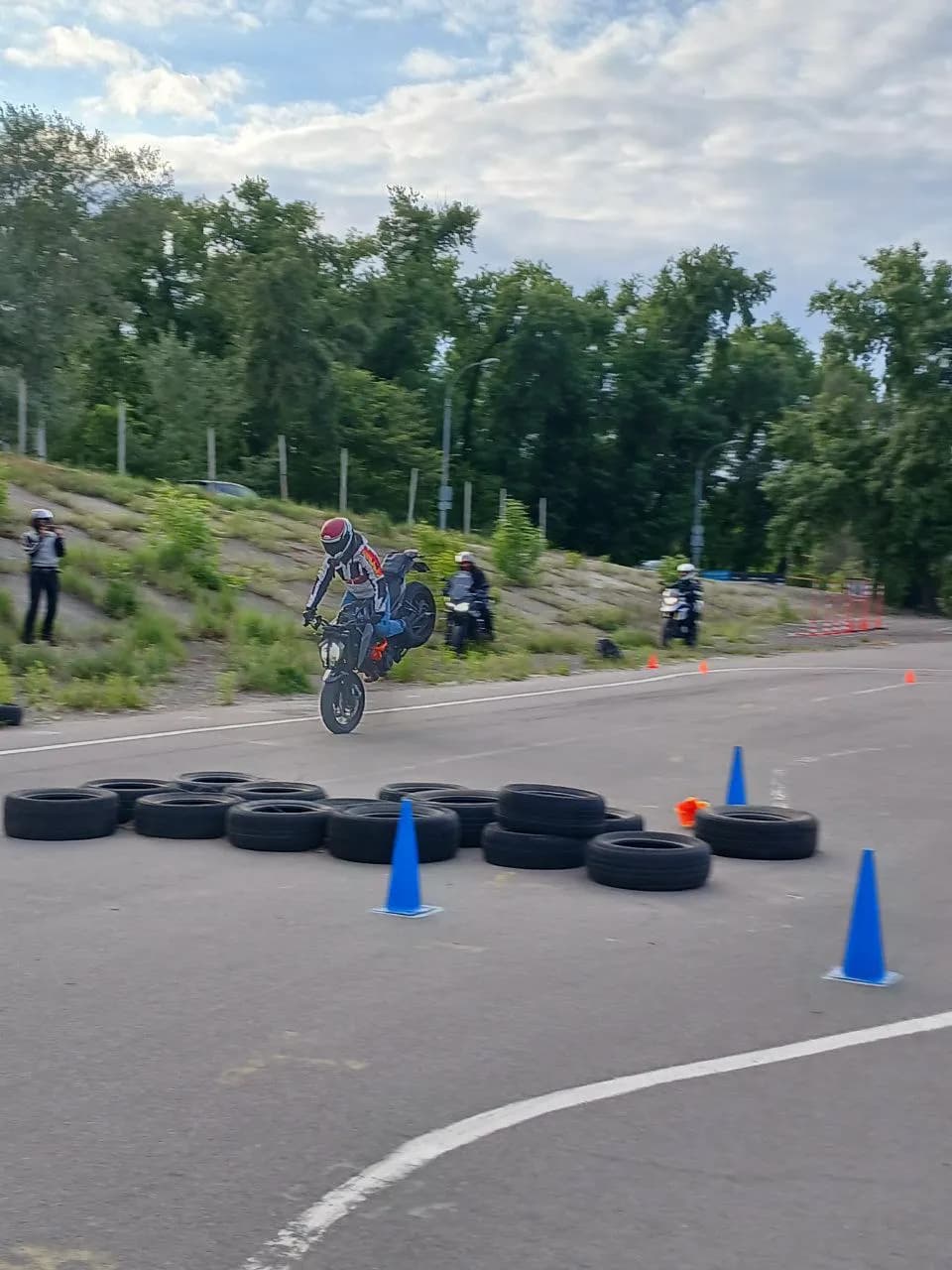
Motorcycle Without ABS: Do You Need It and How to Brake
I recommend getting a bike with ABS: it forgives mistakes, but it doesn't replace skill. Why the wheel locks and how I brake so I don't lock it.
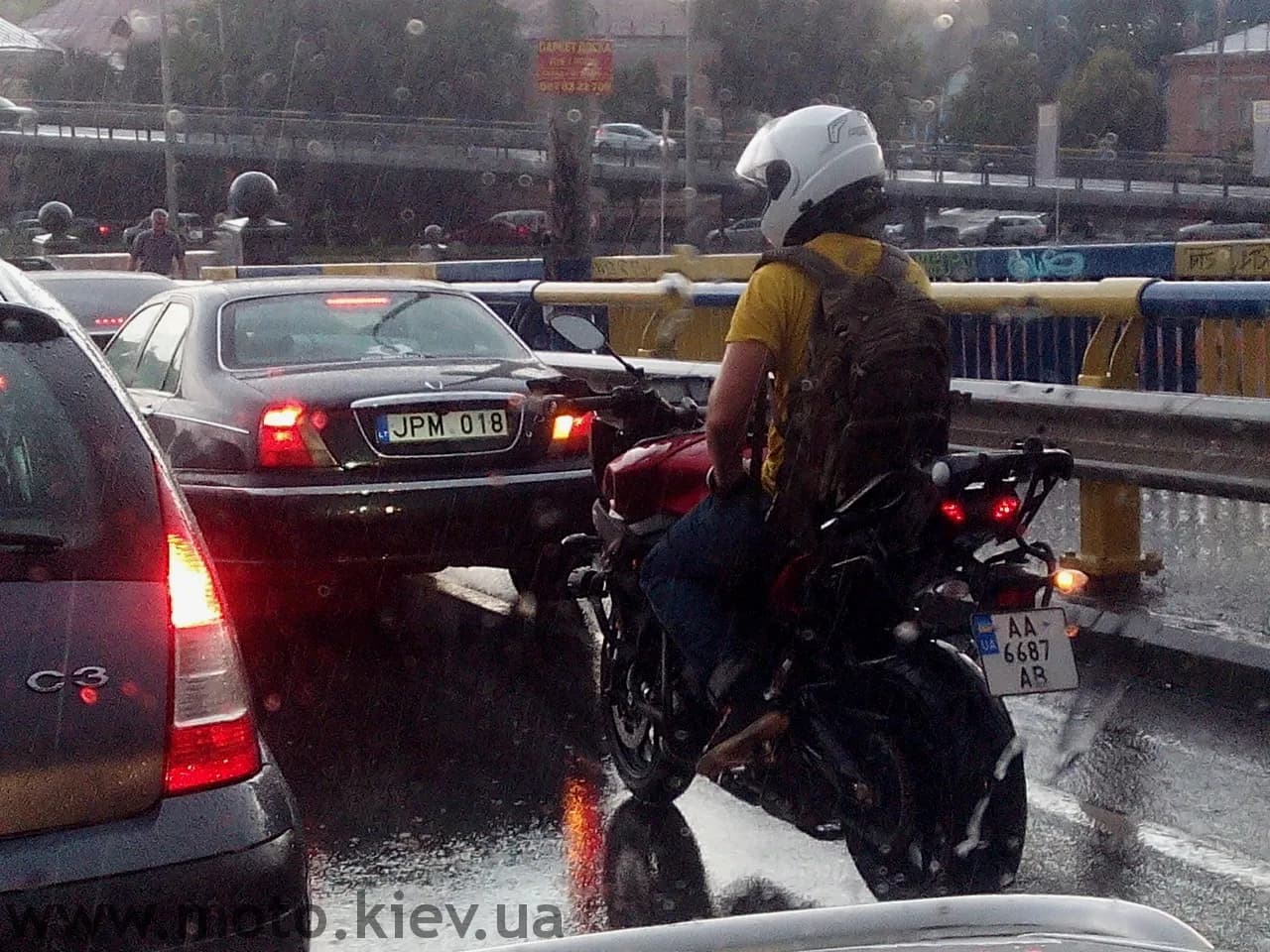
Riding a Motorcycle in the Rain: Braking on Wet Roads
It's slipperiest in the first minutes of rain and when the road is drying. How I brake and open the throttle on wet roads, what I do about markings, manhole covers and rails, and how I practice.
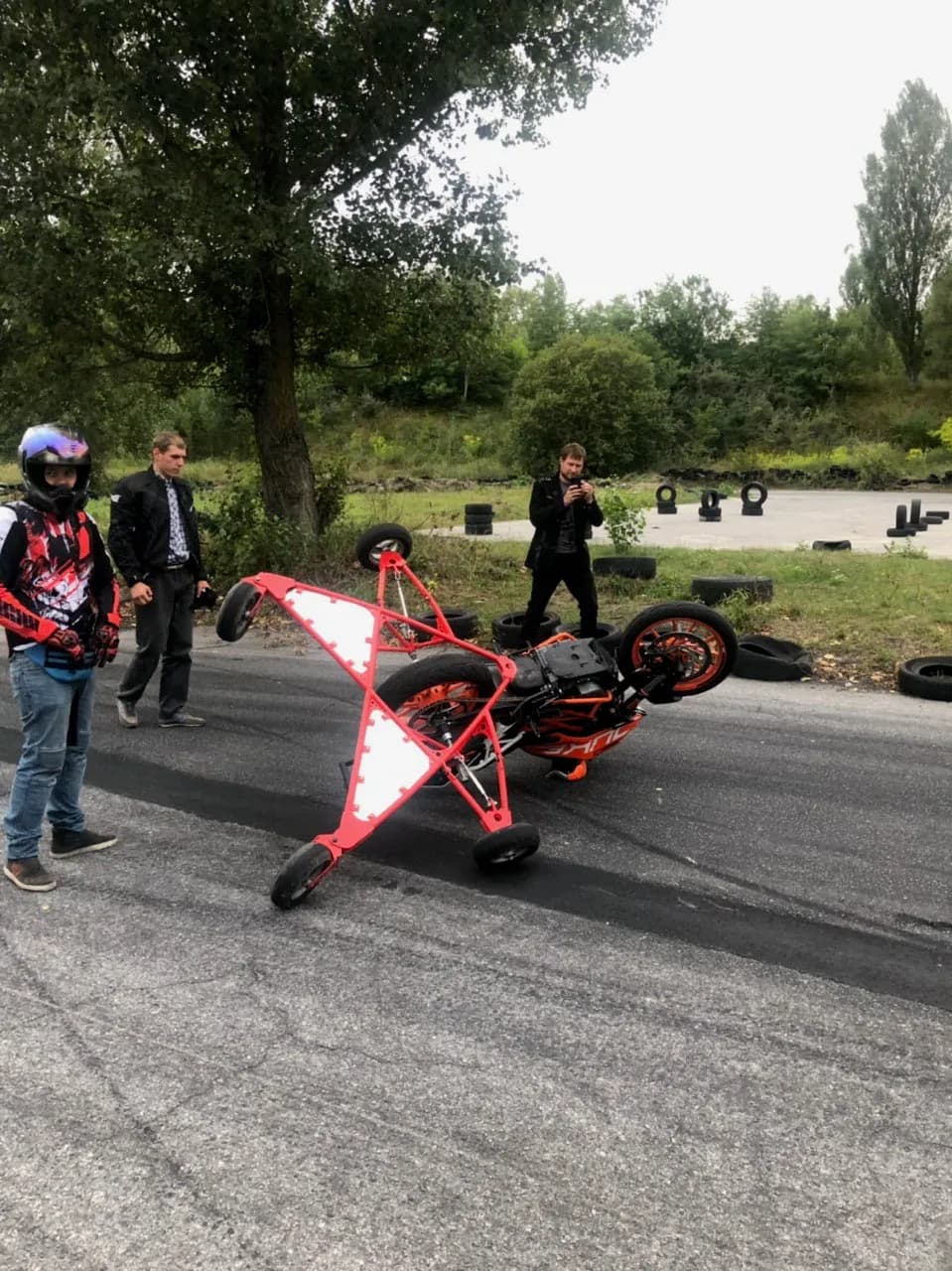
Why Beginner Motorcycle Riders Crash in Their First Season
How beginner motorcycle riders fall in their first season: lost balance at a standstill, a panic grab of the brake on sand, locked wheels. My own falls.
Why Motorcycles Get Rear-Ended at Traffic Lights and in Slowing Traffic
A motorcycle gets rear-ended when the driver behind misses that it's slowing: engine braking shows no brake light. What I do at lights and in traffic.
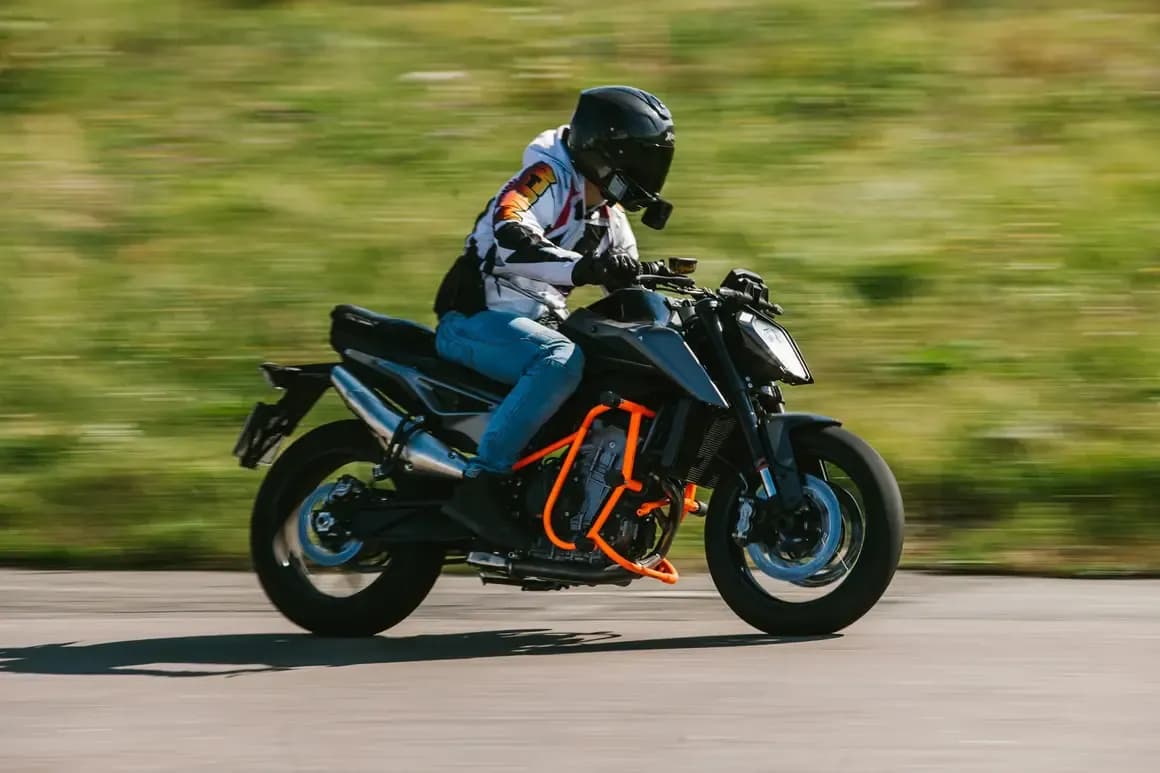
Is Speed Really the Main Cause of Motorcycle Crashes?
Is speed the main cause of motorcycle crashes? See what MAIDS and NHTSA data show, why speed multiplies rider mistakes, and how to pick your speed in town.
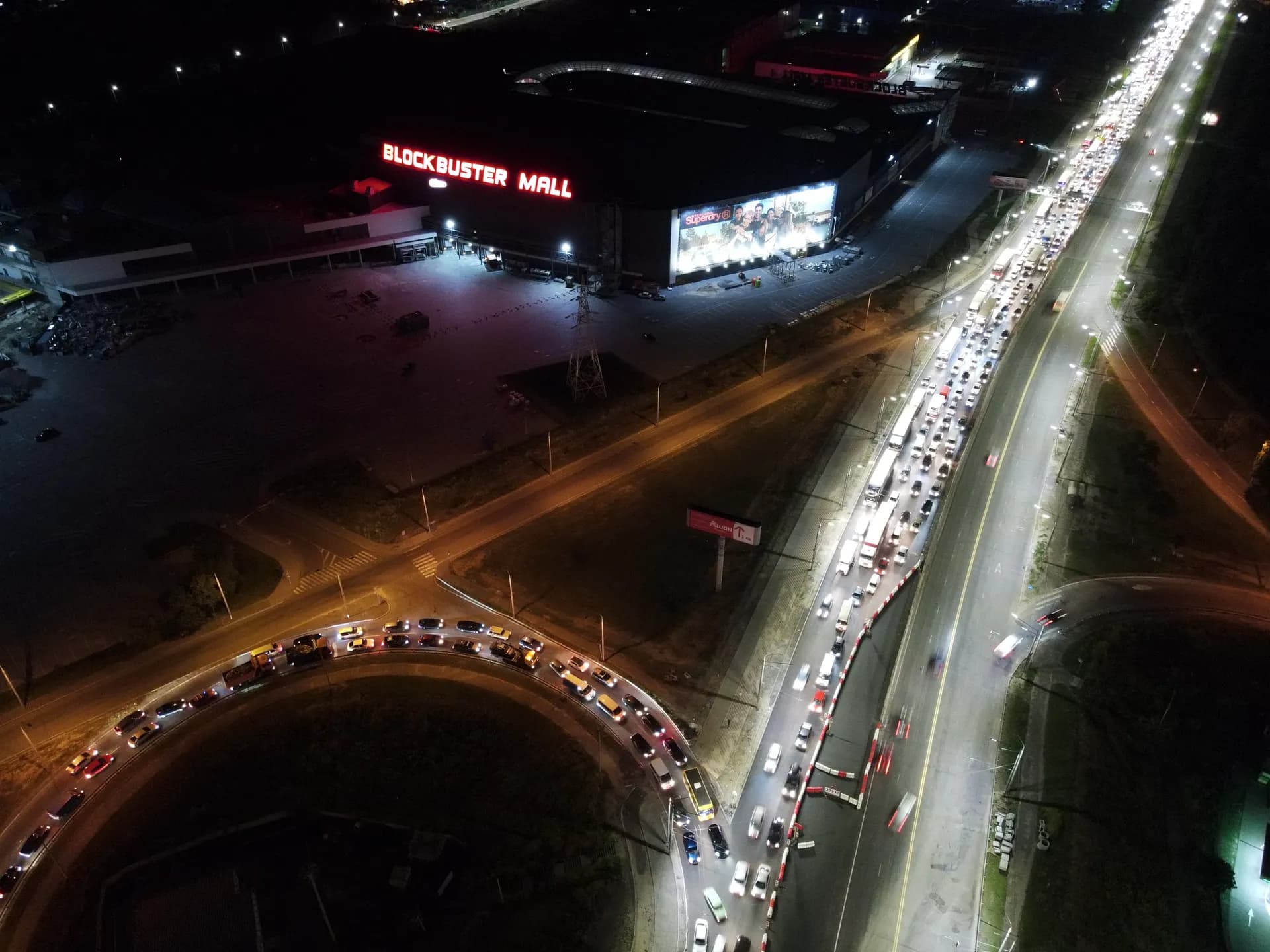
Car Pulling Out of a Side Road in Front of a Motorcycle: Why It Happens and What to Do
Why a car pulls out of a side road in front of a motorcycle: a visibility blocker, perception error, driver mistake. See how I approach intersections.
MAIDS: What Europe's Motorcycle Accident Study Found
What the MAIDS study of 921 motorcycle accidents in Europe found: where crashes happen, whose error it usually is, and why new riders are most at risk.
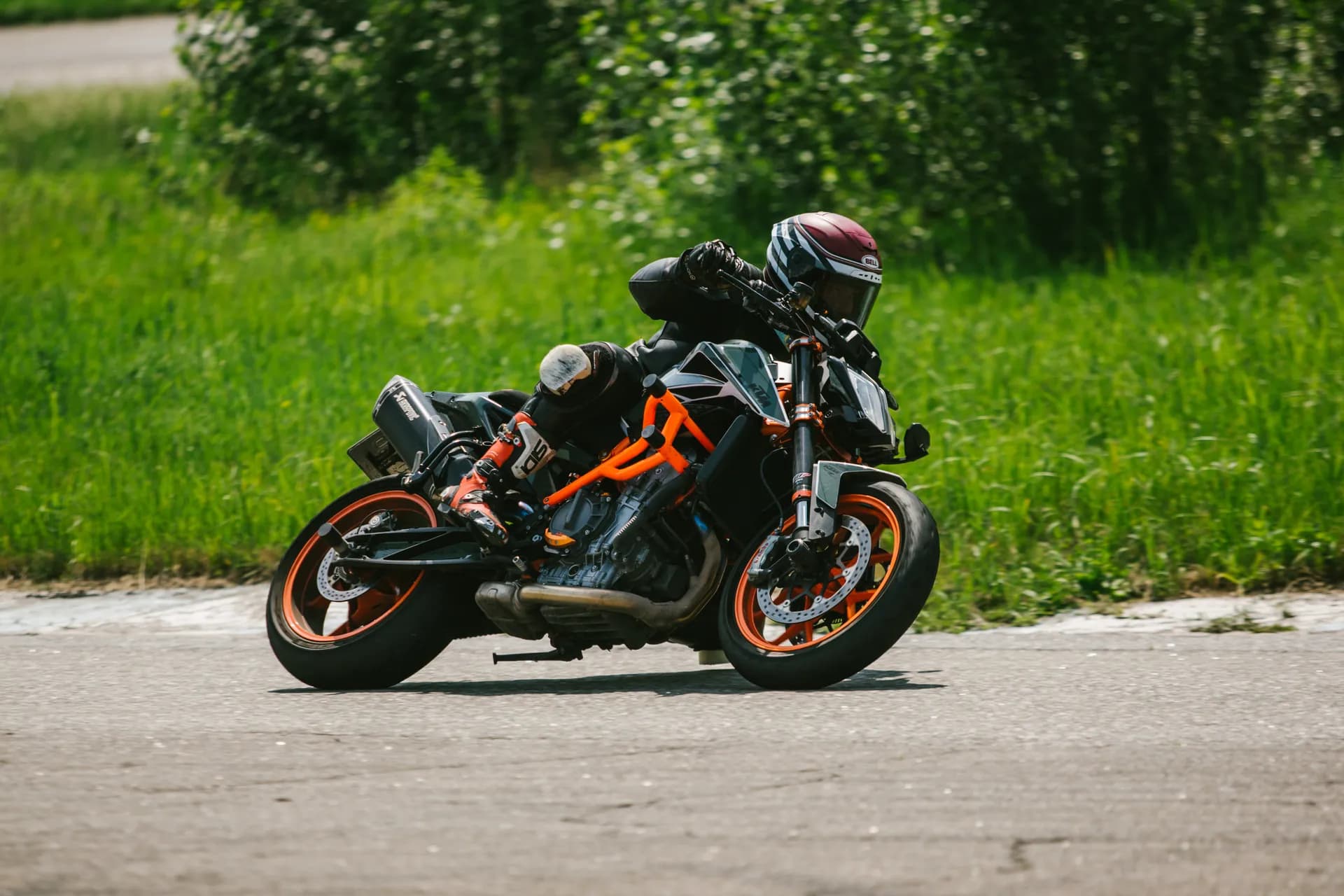
Slippery Road Surfaces for Motorcycles: Paint Lines, Manhole Covers, Gravel, Tram Tracks
Where a dry road gets slippery for a motorcycle: paint lines, manhole and drain covers, gravel, sand, tram tracks. Why the front washes out and what I do.
In the app: real city riding situations on video, with pauses and explanations, then recognition tests
App access opens in waves, in the order requests come in
Get early accessLiked it? Share with fellow riders
Read next
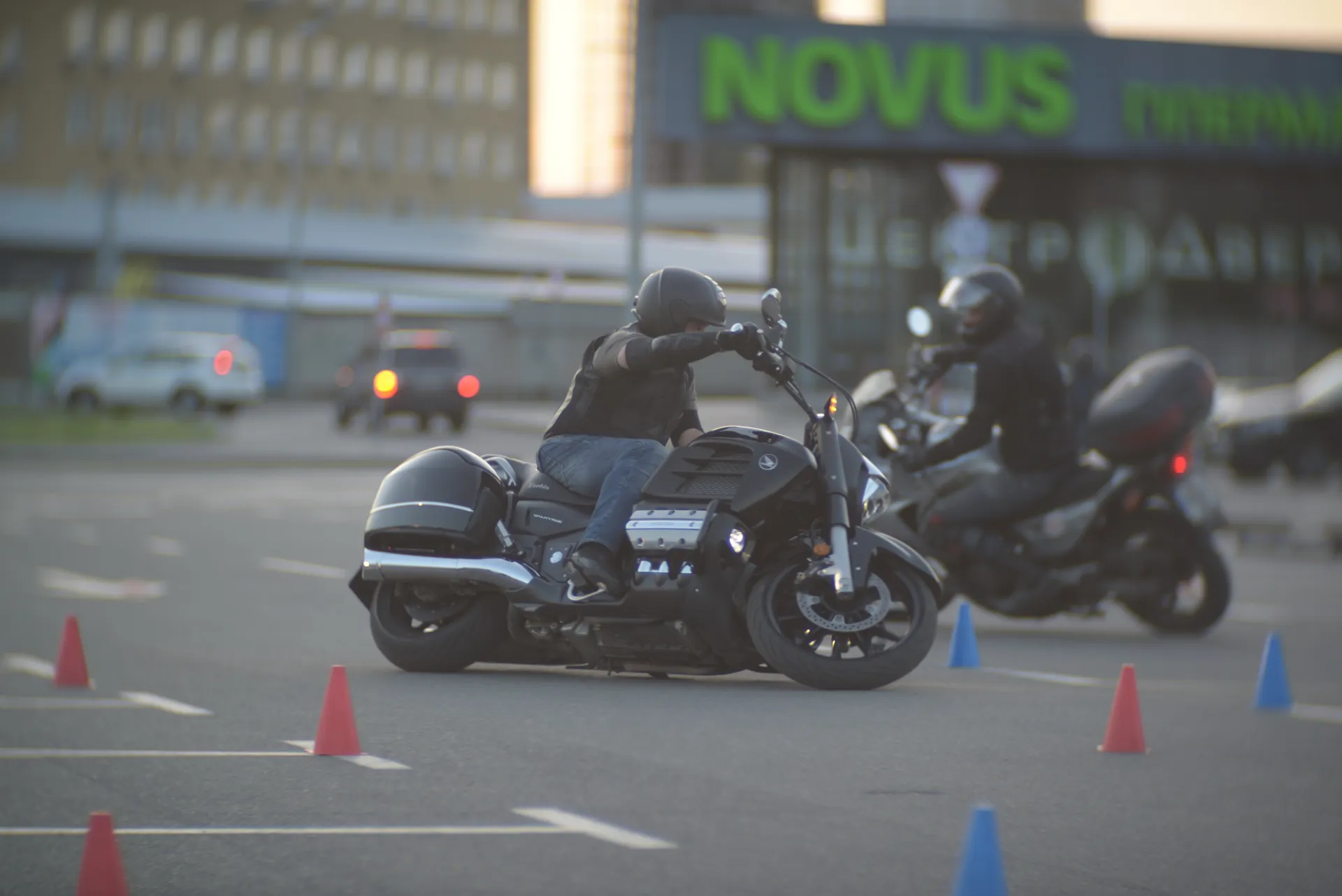
New Rider? Start Here
New to riding? Start here: which skills to practice first, how to pick a first bike, what gear to buy, and the two crash topics worth reading before your first season.